Trying to choose between a storybook cottage and a newer home in Carmel-by-the-Sea? You are not alone. In one of California’s most distinctive and expensive coastal markets, the right fit often comes down to how you want to live, what level of upkeep you can tolerate, and how comfortable you are with local review rules. This guide will help you compare historic and newer homes in Carmel so you can make a smart, confident decision. Let’s dive in.
Why Carmel Homes Feel Different
Carmel-by-the-Sea is not a typical coastal housing market. The city is just one square mile, sits entirely within the coastal zone, and has a strong local design culture shaped by its village scale, forest setting, and architectural traditions.
That local context matters whether you are considering a 1920s cottage or a more recently built home. Carmel’s residential areas have no formal sidewalks, and city planning emphasizes a human-scale character rather than a standard suburban look. In other words, both old and new homes are shaped by design rules that help preserve the feel of the village.
Carmel Prices Put Both Options in Luxury Territory
If you are shopping in Carmel, you are entering a luxury market no matter which style you prefer. Recent public market snapshots place Carmel’s home values at a very high level, with Zillow reporting a typical home value of $2.44 million, Realtor.com reporting a median listing price of $2.91 million, and Redfin reporting a median sale price of $4.4 million.
Those figures do not match exactly because each source measures something different. Still, they point to the same takeaway: inventory is limited, prices are high, and age alone does not determine value.
Realtor.com also reports price per square foot around $2,015 and notes that standard lots are often about 4,000 square feet. That helps explain why both historic cottages and newer homes may feel smaller than you would expect for the price, especially if you are comparing Carmel to other luxury markets.
Historic Homes Offer Character You Cannot Recreate
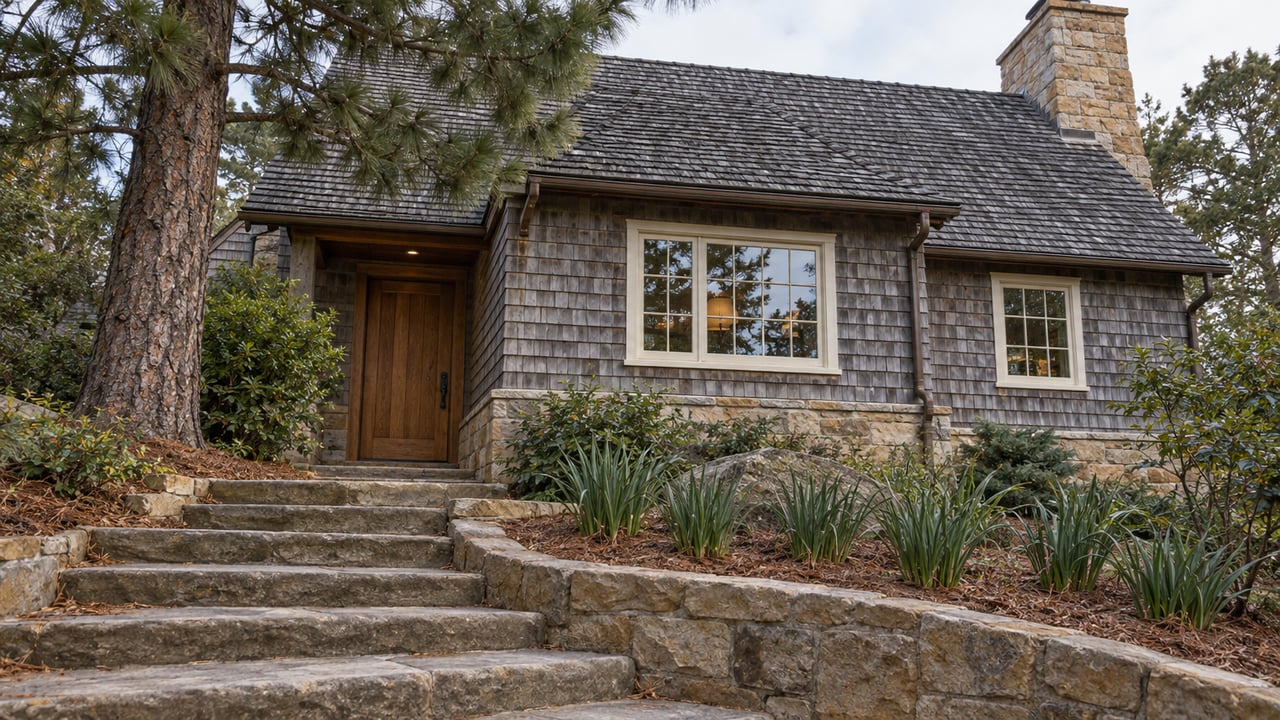
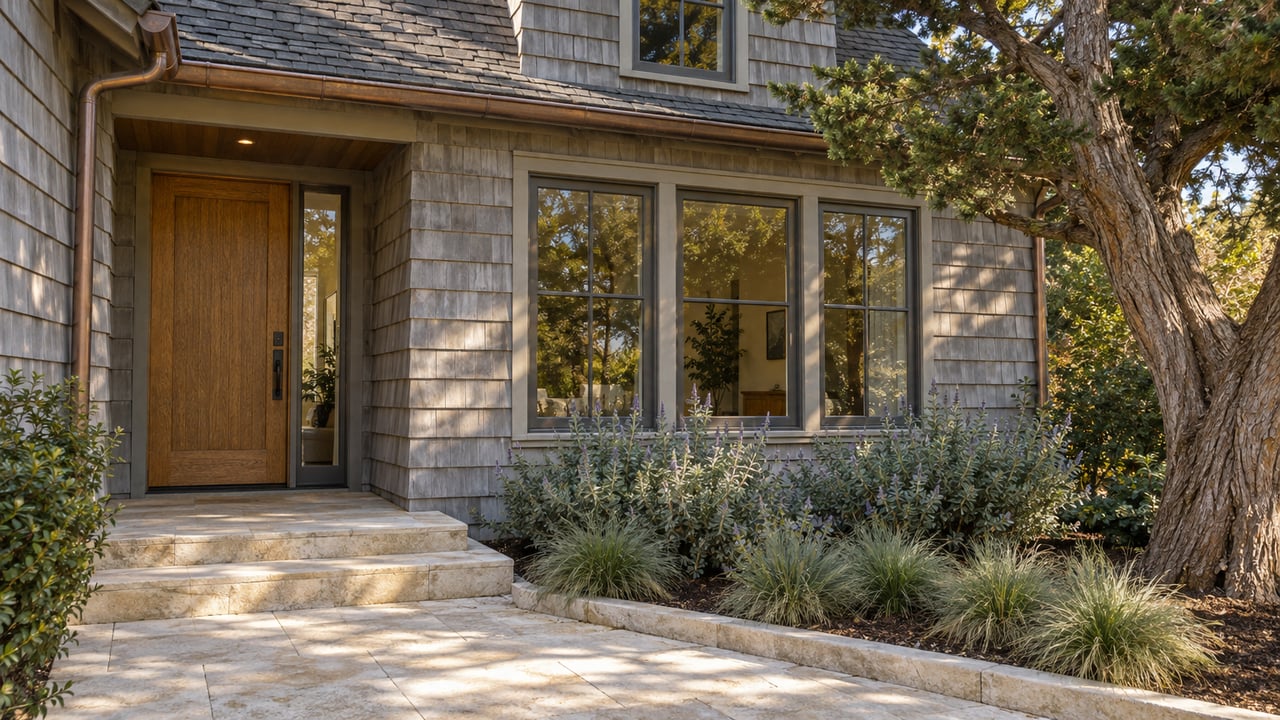
Carmel’s historic cottages are a major part of the town’s identity. Many reflect the local Carmel Vernacular or storybook style, often with wood siding, wood-framed windows, brick or Carmel stone chimneys, corner porches, and distinctive rooflines.
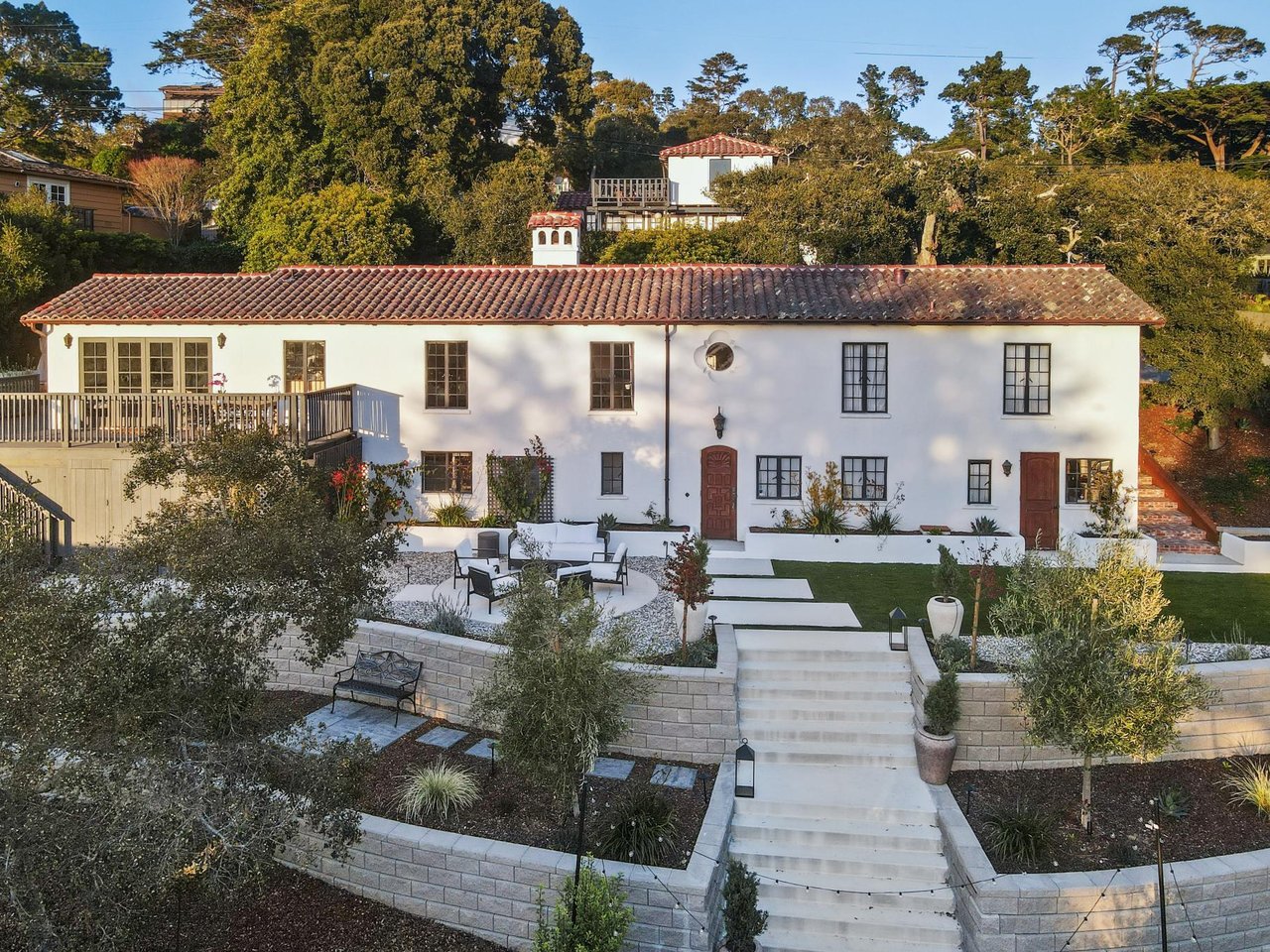
Some of the best-known cottages from the 1920s include details like rolled eaves, rounded doors, and hand-crafted exterior features. For many buyers, that kind of charm is the whole point. A historic home can offer a sense of place and authenticity that is hard to find in newer construction.
If you care deeply about architecture, original details, and the feeling of owning a piece of Carmel’s history, a cottage may be the more emotional and rewarding choice. In this market, that character often carries real value.
What to Expect With Historic Upkeep
The tradeoff is that older homes usually come with more maintenance and a more specialized approval process. In Carmel, ordinary repair and maintenance may be allowed when it does not change the home’s design, materials, or exterior appearance.
But many exterior changes require more review. New roofs, siding, windows, and additions can trigger a historic-status evaluation before standard development review moves forward.
That review can apply even if a property is not already on the local historic inventory. If the home is more than 50 years old, the city may still require an evaluation.
Windows, Materials, and Review Timelines
Windows are one of the clearest examples of how historic ownership can differ from owning a more typical home. Carmel says changes to window materials, size, and placement require approval, and the city identifies wood windows with divided lights as the local standard.
Vinyl windows are not considered appropriate. That helps preserve the look and integrity of older homes, but it can also make replacement work more expensive and more involved than buyers first expect.
For inventoried historic resources, the city also requires consistency review with the Secretary of the Interior’s Standards. That means your renovation plans may need to align closely with preservation principles, especially on visible exterior elements.
Historic Homes May Be More Flexible Than You Think
Buyers sometimes assume an older home is too difficult to adapt. That is not always true. California’s Historical Building Code is intended to allow alternative regulations for qualified historical buildings during repairs, alterations, additions, rehabilitation, relocation, or continued use.
That can create useful flexibility for significant projects while supporting preservation and energy conservation. Still, the process is more specialized than it would be for a standard newer house, so you want a clear understanding of what the property is, what has been approved before, and what your future plans may require.
Newer Homes Offer Comfort and Predictability
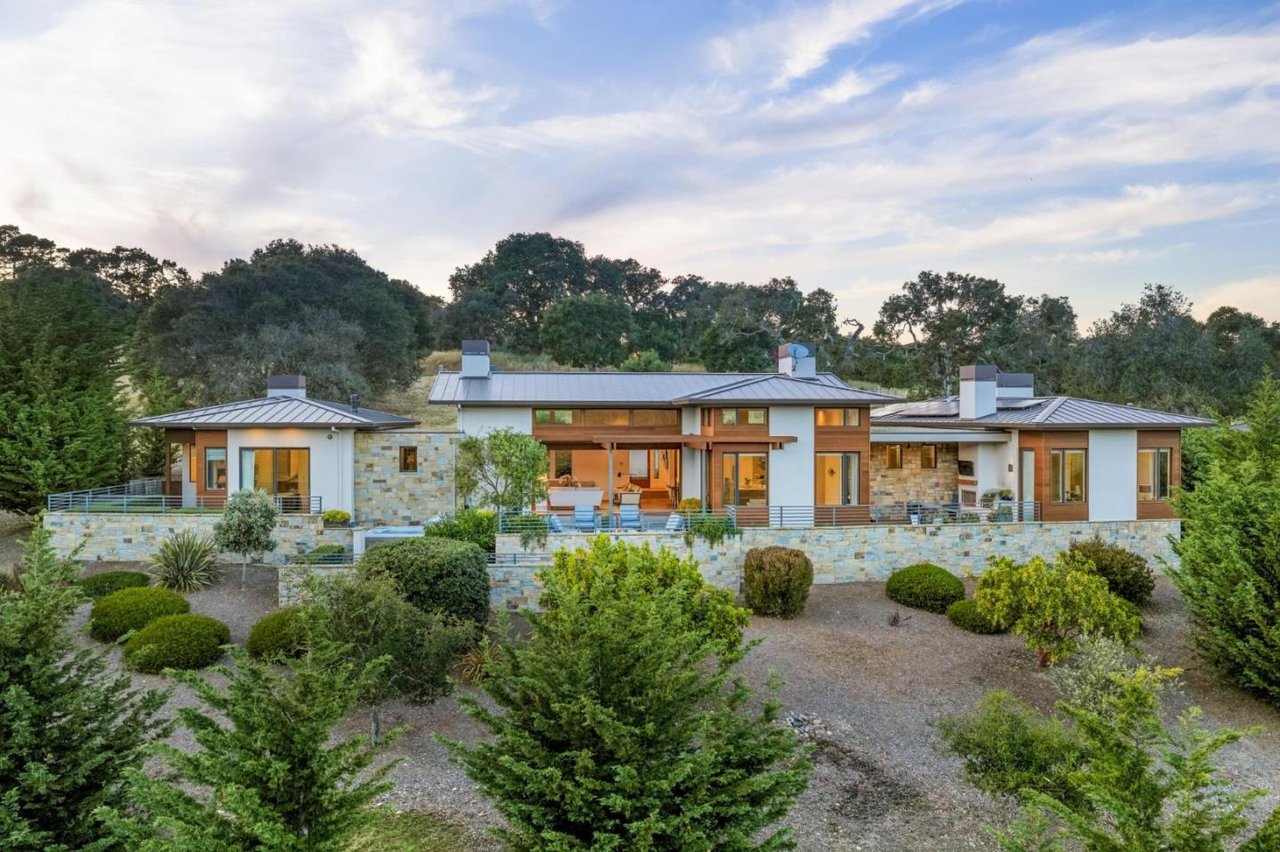
If your priority is lower immediate maintenance, updated systems, and a more turnkey experience, a newer home may be the better fit. In general, newer construction offers a stronger baseline for daily comfort and efficiency.
California’s 2025 Energy Code took effect on January 1, 2026. The California Energy Commission says the updated code increases efficiency for new homes and major renovations, with emphasis on better walls and windows, smarter HVAC controls, and heat-pump-friendly design.
CALGreen also addresses planning, energy efficiency, water efficiency, material conservation, and environmental quality. For buyers, that can translate into a home that feels easier to operate and more predictable in the near term.
New Construction Still Has Carmel Constraints
That said, newer does not mean unrestricted. Carmel is not a free-form build environment.
The city says most building or site alterations require review and approval, and residential projects move through design-study tracks. New homes are expected to respect scale, massing, height transitions, and overall village character.
So while a newer home may reduce maintenance surprises, it is still shaped by the same local design culture that influences the historic stock. If you plan to build, expand, or significantly alter a property later, those review standards still matter.
Price Differences Depend on More Than Age
It is easy to assume historic homes are always less expensive than new builds, but Carmel does not work that way. Public examples show a 1920s cottage listed at $2.795 million, a 1946 storybook cottage listed at $3.65 million, and a 2023 soft-contemporary new construction selling for $9.75 million after being listed at $10.9 million.
Realtor.com also reported a new build in the 93921 ZIP listed at $8.2 million, while another house in a strong location was around $4.5 million. These examples show that location, views, lot characteristics, condition, and permit history can matter just as much as whether a home is old or new.
In Carmel, age is only one part of the value story. A beautifully preserved cottage in a prime setting can command a premium, just as a well-executed newer home can.
How to Choose the Right Fit for You
The better question is not whether historic or newer is objectively better. It is which kind of complexity fits your goals, budget, and lifestyle.
A Historic Home May Fit You If
- You value architectural character and original details
- You want a home that feels closely tied to Carmel’s history
- You are comfortable with ongoing upkeep
- You can be patient with approvals for exterior work
- You see charm and authenticity as worth the extra effort
A Newer Home May Fit You If
- You want more predictable systems and fewer near-term projects
- You prefer energy-efficient construction and updated comfort features
- You want a more turnkey ownership experience
- You still appreciate Carmel design, but with a more current floor plan or finish level
- You want a clearer operating budget in the early years of ownership
Questions to Ask Before You Buy
No matter which path you prefer, a few practical questions can help you compare properties more clearly.
For Historic Homes
- Is the property on the local historic inventory?
- Has the city flagged the home for historic-status evaluation?
- What exterior work has been done, and was it approved?
- Are windows, roof, and siding likely to need near-term attention?
- If you want to remodel, what level of review could apply?
For Newer Homes
- When was the home built or substantially renovated?
- What energy-efficiency features are included?
- Were all improvements properly permitted?
- Are there any design constraints that affect future additions or changes?
- How does the home’s scale and layout compare with other Carmel properties nearby?
The Real Decision: Lifestyle and Ownership Style
In Carmel-by-the-Sea, this is rarely a simple choice between old and new. More often, you are deciding between two different ownership experiences.
Historic homes tend to offer character, rarity, and emotional pull. Newer homes tend to offer convenience, efficiency, and fewer immediate projects. Both can be exceptional. Both can also come with planning and design considerations that are more nuanced than buyers expect.
That is why local context matters so much here. The right choice usually becomes clearer when you look beyond the listing photos and focus on how you want to live in Carmel day to day.
If you are weighing a cottage against a newer home in Carmel-by-the-Sea, working with a team that understands the village block by block can make the process much easier. For thoughtful guidance on Carmel homes, local market context, and what to look for before you buy, connect with Bambace Peterson.
FAQs
What makes historic homes in Carmel-by-the-Sea different from historic homes in other markets?
- Carmel’s historic homes are shaped by local architectural traditions and a city review process that can apply to exterior changes, materials, and design details.
Are newer homes in Carmel-by-the-Sea easier to own?
- Newer homes often offer lower immediate maintenance and stronger energy-efficiency standards, but they still operate within Carmel’s design review framework.
Do historic cottages in Carmel-by-the-Sea always cost less than new construction?
- No. In Carmel, price depends on factors like location, lot, condition, views, and permit history, not just the home’s age.
Can you remodel a historic home in Carmel-by-the-Sea?
- Yes, but the scope of work may trigger historic-status evaluation or consistency review, especially for exterior alterations and inventoried properties.
Is Carmel-by-the-Sea mostly small homes and small lots?
- Public market reporting says standard lot sizes are often around 4,000 square feet, and larger homes or oversize lots are relatively rare.
What should buyers compare when choosing between a historic and newer Carmel-by-the-Sea home?
- Focus on maintenance expectations, approval requirements, energy efficiency, layout, location, condition, and how each home fits your lifestyle.