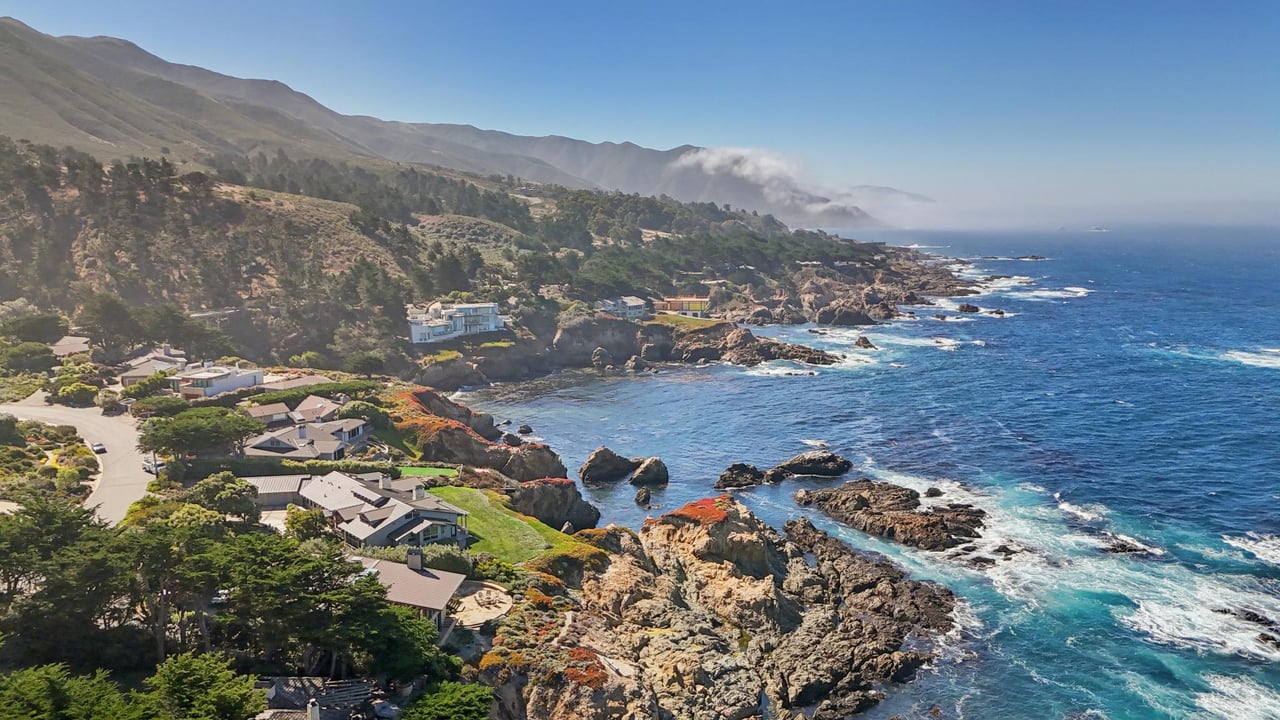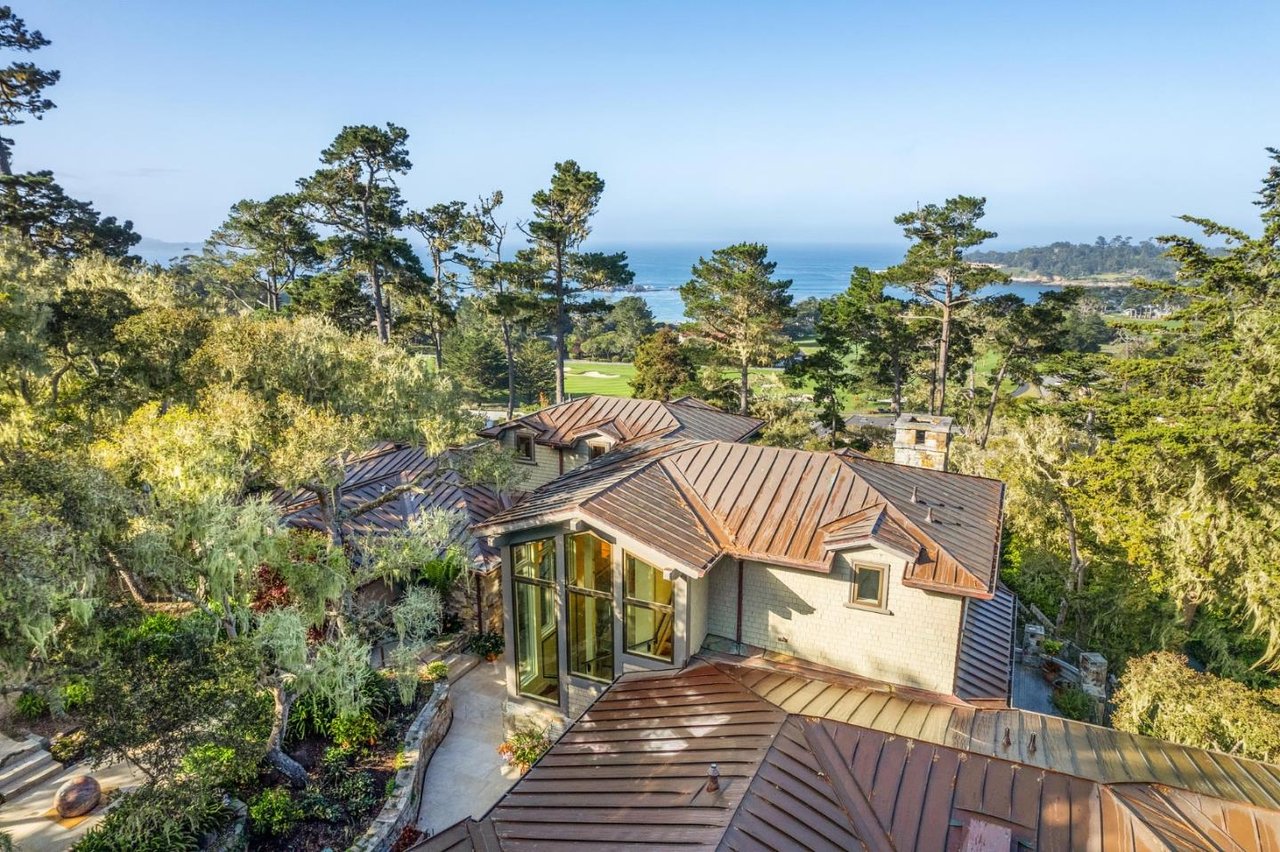
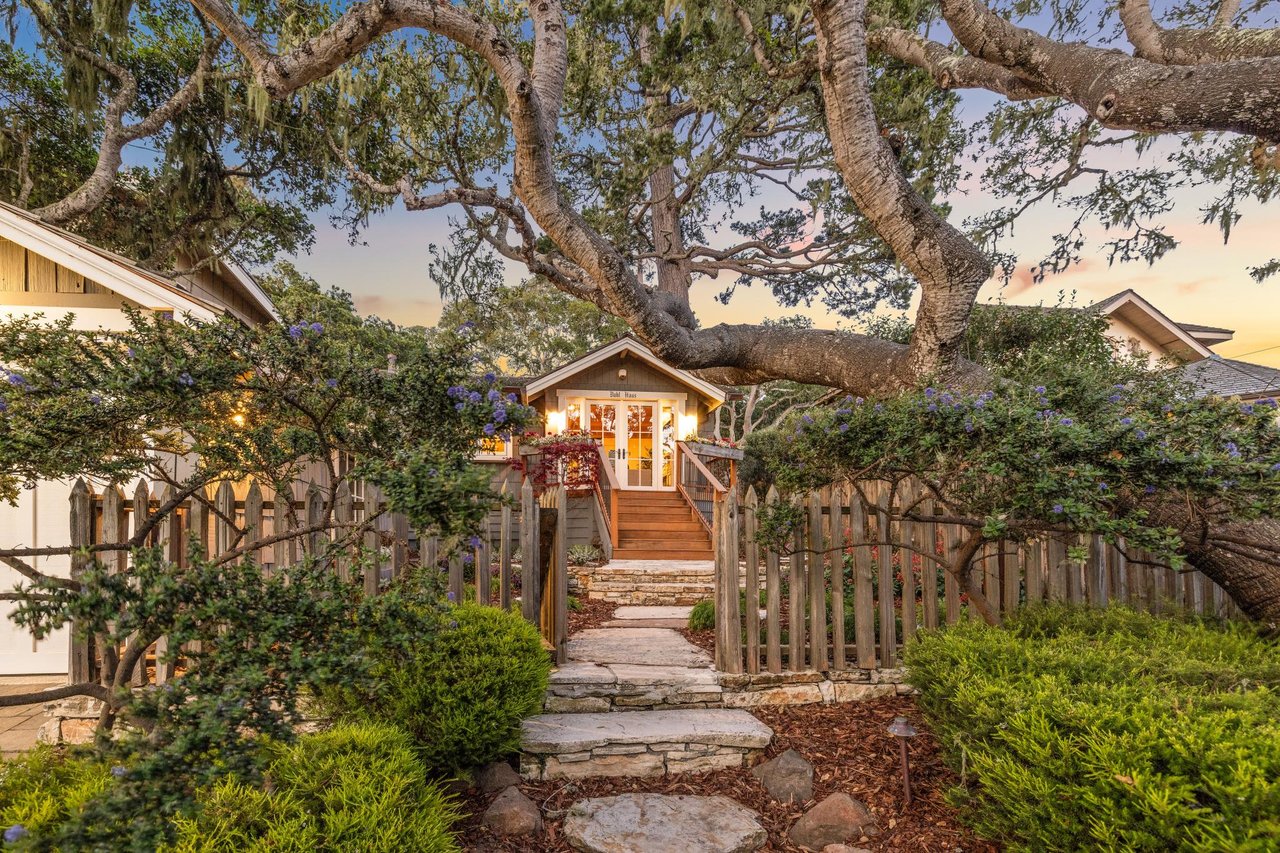
Looking for a Carmel address that feels tucked away, but still keeps you close to the Peninsula’s daily essentials? Carmel Woods often stands out for exactly that reason. If you are drawn to extra space, a quieter residential setting, and the possibility of filtered or elevated views, this neighborhood is worth a closer look. Let’s dive in.
Why Carmel Woods Appeals to Buyers
Carmel Woods sits just north of Carmel-by-the-Sea and stretches toward Pescadero Canyon. Monterey County describes this broader area as more urbanized than Carmel Highlands, with higher density, smaller average parcels, and convenient access to services in Carmel and near the mouth of Carmel Valley. That location helps explain why many buyers see Carmel Woods as a practical middle ground between village access and a more residential feel.
The neighborhood has roots that go back to the 1920s, when Del Monte Properties opened it for development. Today, that history still shows up in the housing stock and street character. You will find a setting that feels established, design-conscious, and closely tied to the broader Carmel identity.
Space Looks Different Here
One reason Carmel Woods attracts attention is the range of parcel sizes within a relatively compact area. County coastal findings note that lots nearest the city are often around 4,000 square feet, while larger lots tend to appear closer to the canyon. That variation can matter if you want a little more breathing room without leaving Carmel’s orbit.
For buyers, that means the neighborhood is not one-size-fits-all. A home closer to the city edge may offer easier access to town, while a property deeper into the neighborhood may provide more land area and a stronger sense of separation. In Carmel Woods, the block and parcel can shape the experience as much as the home itself.
Views Depend on the Parcel
The phrase “views in Carmel Woods” can be true, but it should be understood carefully. The Carmel coast is treated as a highly scenic resource, and county planning calls for development in the viewshed to harmonize with the natural landscape. In practice, that supports a neighborhood character where the land, trees, and siting continue to matter.
That also means views are parcel-specific rather than guaranteed across the neighborhood. Some homes may enjoy filtered outlooks or broader view corridors based on elevation and placement, while others may feel more enclosed by trees. If views are high on your priority list, it is smart to evaluate each property street by street and lot by lot.
Quiet Streets and a Residential Feel
Carmel Woods functions primarily as a residential enclave rather than a commercial district. County planning for the area supports infill on vacant parcels in built-out residential neighborhoods like Carmel Woods, which reinforces its role as a place for homes rather than retail activity. For many buyers, that translates into a calmer day-to-day setting than the center of town.
Compared with Carmel-by-the-Sea’s village core, Carmel Woods generally gives up some immediate commercial walkability in exchange for more privacy and a more wooded environment. If you want to come home to quieter streets and less visitor traffic, that trade-off can be very appealing. It is one of the reasons the neighborhood continues to attract interest from both full-time and second-home buyers.
Architecture Has Range and Character
Carmel Woods does not read as a tract neighborhood. County findings describe diverse architectural styles, soft landscaping, and house scale that feels similar to the city. That mix gives the area visual variety while still fitting into Carmel’s broader design language.
Local history materials also point to early examples of Arts and Crafts, Craftsman, Tudor, and Cotswold-inspired homes. For you as a buyer, that often means more personality in the housing stock and a stronger sense of architectural identity. Even when homes have been updated over time, the neighborhood often retains that older, thoughtful design character.
The Natural Setting Shapes the Streetscape
Part of Carmel Woods’ appeal comes from its relationship to the surrounding landscape. County findings describe a less dense native tree canopy along the streets than some nearby areas, while still reflecting a wooded setting. The result can be a neighborhood that feels open in some spots and more sheltered in others.
Carmel’s broader design guidance also emphasizes human-scale building, forest character, and sensitivity to neighboring properties. The city’s forest planning continues to prioritize Monterey pine, coast live oak, and cypress as key native trees in the area. Together, those priorities help explain why homes and remodels in the Carmel area often feel restrained rather than oversized.
How Walkable Is Carmel Woods?
This is one of the most common questions buyers ask, and the honest answer is that it depends on the address. Carmel-by-the-Sea’s downtown village is famously compact and walkable, with shops, restaurants, galleries, and beach access within its one-square-mile footprint. Because Carmel Woods sits just outside that core, some homes may fall within a practical walking radius, while others will feel better suited to a short drive or bike ride.
Elevation matters too. A property that looks close on a map may feel different in real life depending on the route and terrain. If walkability is part of your decision, it helps to test the route from the specific home rather than assume the entire neighborhood offers the same experience.
Peninsula Access and Daily Convenience
For regional travel, Highway 1 is the main route along the Carmel coast, and State Route 68 connects Salinas with the Monterey Peninsula. Monterey County notes that Highway 1 can experience congestion during peak periods, which is worth keeping in mind if you commute or travel frequently. Even so, Carmel Woods remains well positioned for moving around the Peninsula.
Carmel-by-the-Sea’s visitor information also notes that Monterey Regional Airport is about 15 minutes away via Highway 68 and Highway 1. For second-home owners, relocating buyers, or anyone hosting guests, that proximity can be a practical advantage. It supports the neighborhood’s appeal as a place that feels tucked away without being isolated.
Carmel Woods vs Nearby Carmel Areas
When buyers compare Carmel Woods with nearby micro-neighborhoods, the differences usually come down to convenience, privacy, and setting. Compared with the village core, Carmel Woods often offers more residential space and a stronger wooded feel, while giving up some immediate access to shops and restaurants. That balance can work well if you want Carmel character without being in the middle of daily village activity.
Compared with coastal pockets such as Carmel Point, the contrast shifts. County findings note that Carmel Point has a sparser tree canopy and, in some areas, larger homes and wider streets. Carmel Woods, by comparison, is more closely associated with architectural variety, more moderate house scale, and a more forested streetscape.
What to Focus on When You Tour Homes
If you are considering Carmel Woods, it helps to look beyond the headline features of a listing. The most important differences often show up in the details of the site itself. In this neighborhood, small location shifts can have a big effect on privacy, light, and outlook.
Here are a few smart points to compare as you tour:
- Street position relative to Carmel-by-the-Sea
- Lot depth and usable outdoor space
- Elevation and how it affects outlooks
- Tree coverage and natural light
- Ease of access to town and main routes
- Architectural style and how updates fit the home’s character
A well-informed home search in Carmel Woods is usually less about choosing the neighborhood in general and more about choosing the right street and parcel for your goals.
Why Local Guidance Matters Here
Carmel Woods is nuanced. Two homes that seem close together on a map can feel very different in terms of privacy, setting, and convenience. That is why buyers often benefit from hyperlocal context when narrowing options.
If you are evaluating Carmel Woods as a primary home, second home, or long-term Peninsula purchase, a neighborhood-level strategy can help you move faster and with more confidence. The right guidance can help you weigh trade-offs clearly, compare micro-locations, and focus on the homes that truly match the lifestyle you want.
If you are thinking about buying or selling in Carmel Woods or anywhere on the Peninsula, Bambace Peterson can help you navigate the market with local insight, thoughtful strategy, and personalized support.
FAQs
Is Carmel Woods in Carmel-by-the-Sea?
- Carmel Woods sits immediately north of Carmel-by-the-Sea and is closely connected to it, but it is outside the village core.
Do all Carmel Woods homes have views?
- No. Views in Carmel Woods are parcel-specific and can vary based on elevation, siting, and tree coverage.
Are Carmel Woods streets usually quiet?
- Carmel Woods is primarily a residential area rather than a commercial district, which generally supports a quieter neighborhood feel than the village center.
Can you walk from Carmel Woods to downtown Carmel?
- Some homes may be within a practical walking distance to town, while others may be better suited to a short drive or bike ride depending on block and elevation.
What kinds of homes are in Carmel Woods?
- The neighborhood includes a mix of architectural styles, with early examples tied to Arts and Crafts, Craftsman, Tudor, and Cotswold-inspired design.
How does Carmel Woods compare with Carmel Point?
- Carmel Woods is generally associated with more architectural variety, a more forested streetscape, and house scale similar to the city, while Carmel Point has a sparser tree canopy and, in some areas, larger homes and wider streets.