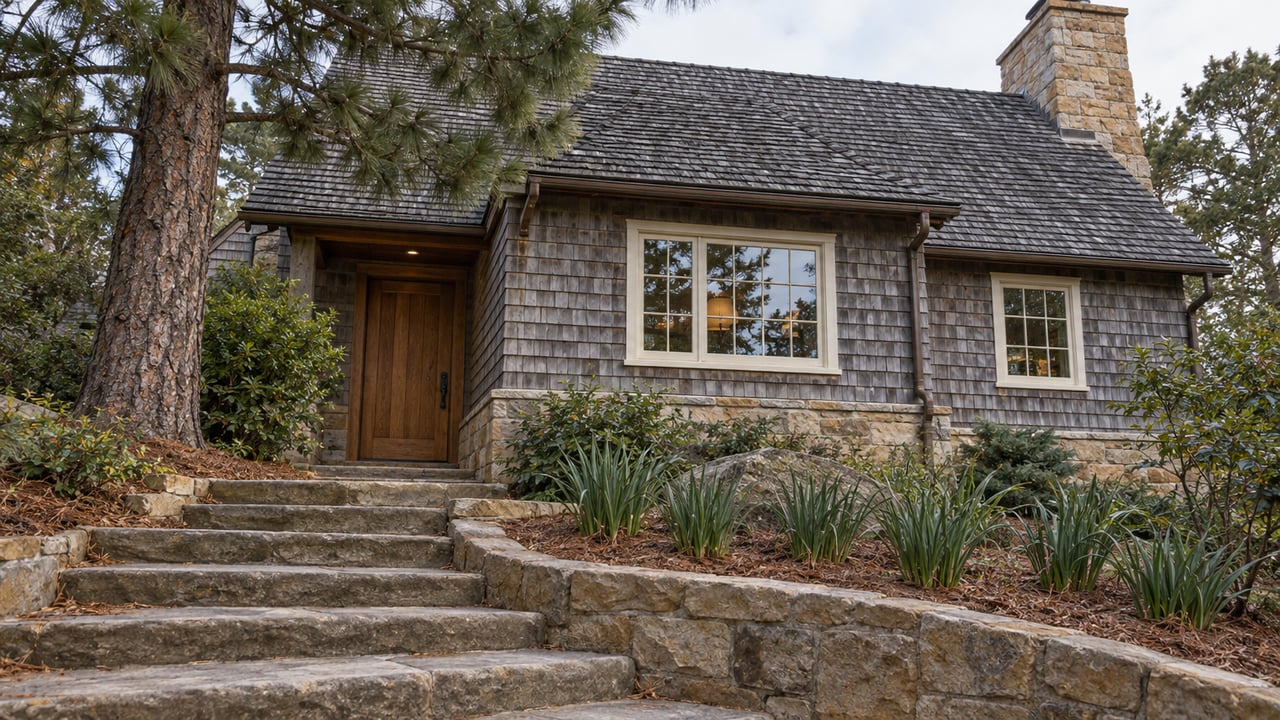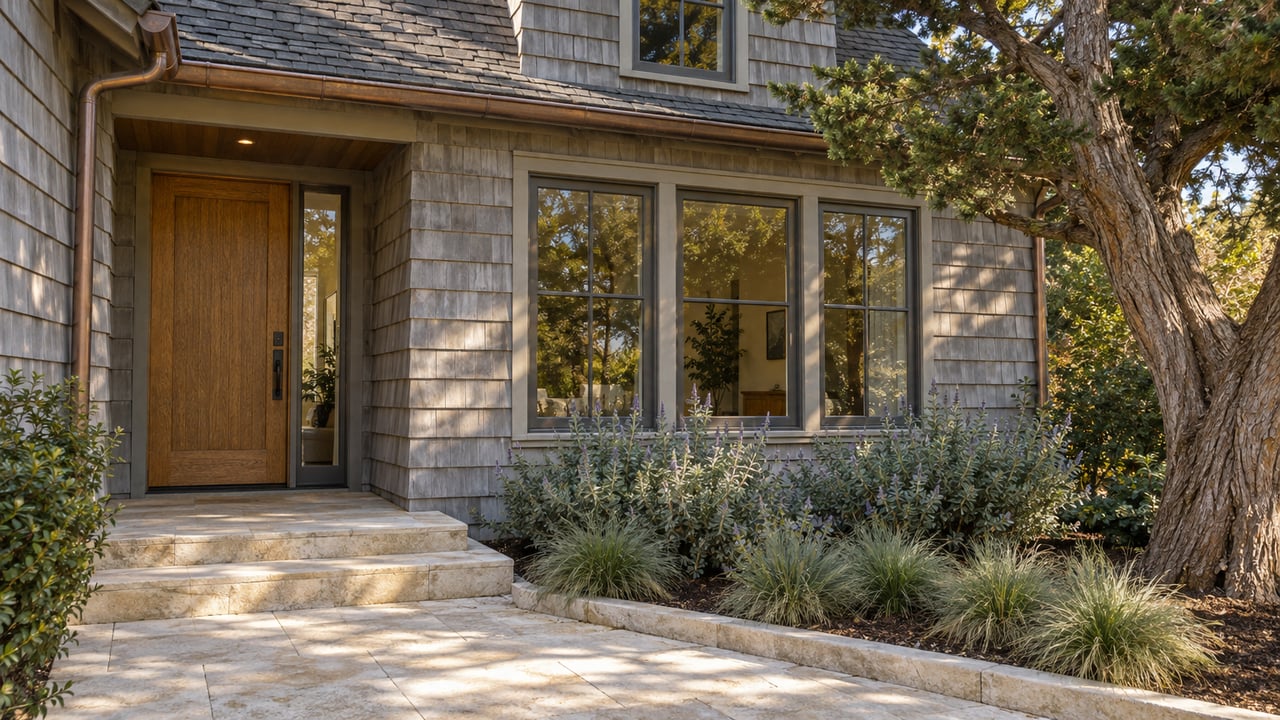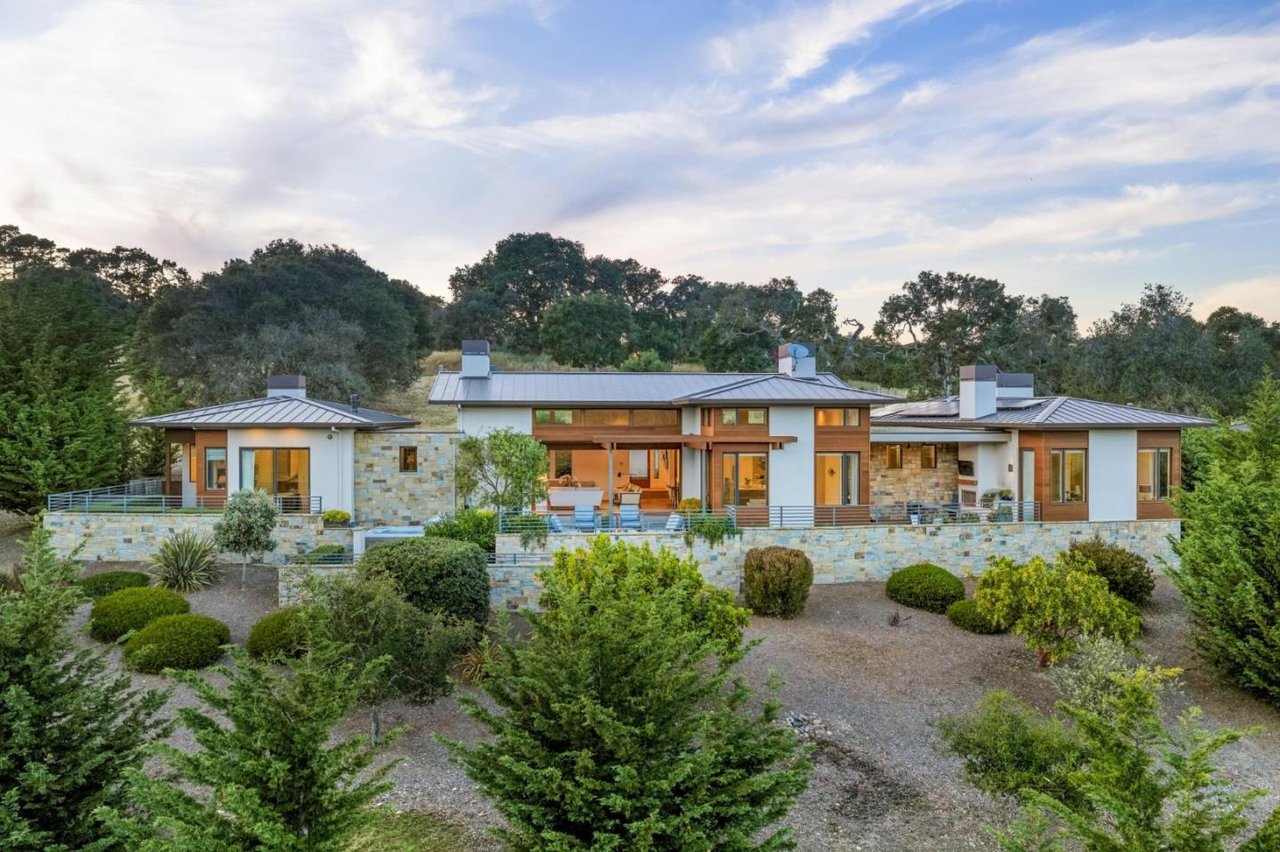
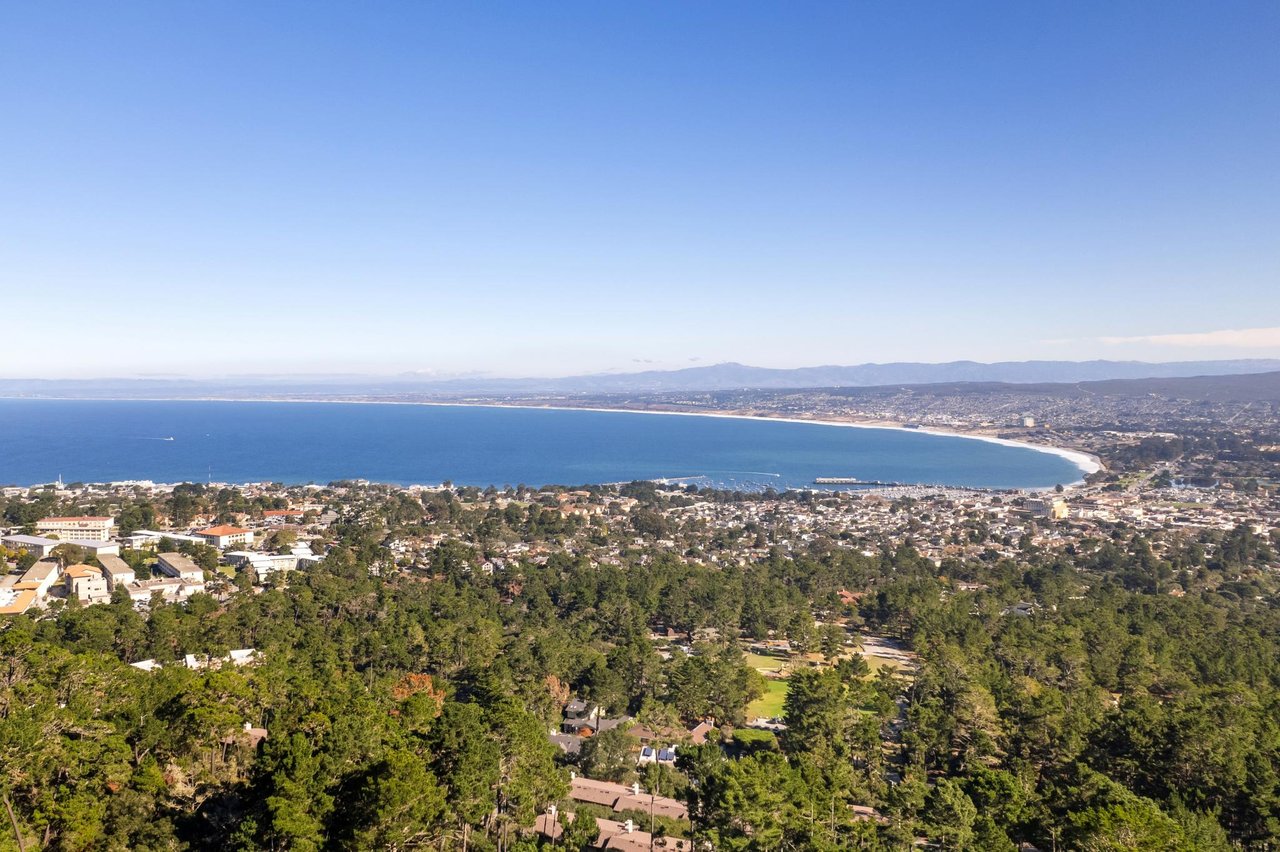
If you love the Monterey Peninsula but do not love the idea of constant upkeep, attached living may be worth a closer look. Many buyers want a home they can lock, leave, and return to with less day-to-day maintenance, especially if the goal is a second home, a simplified primary residence, or an easy coastal retreat. In Monterey, condos and townhomes can offer that balance of convenience, access, and price point. Let’s take a closer look.
Why Monterey fits lock-and-leave living
Monterey lends itself well to a low-maintenance lifestyle because so much of what draws people here is close at hand. The City of Monterey says the Recreation Trail runs the full length of the waterfront and serves as the backbone of the city’s bicycle and pedestrian network. The city’s shoreline policies also emphasize beaches, wharves, harbor access, and recreation uses along Monterey Bay.
For you as a buyer, that means daily life can feel simple and walkable in the best sense of the word. You may be able to arrive, park, and spend your time enjoying the coast rather than thinking about yardwork, exterior repairs, or larger lot maintenance.
Cannery Row adds to that appeal. Its official site describes the district as a waterfront corridor along Monterey Bay National Marine Sanctuary and a convenient home base for Monterey, Carmel-by-the-Sea, Pebble Beach, and Big Sur. That central location helps explain why Monterey condos and townhomes are so appealing for buyers who want easy access to the Peninsula.
Golf is part of the equation too. Pebble Beach Resorts says it operates four regulation golf courses on the Peninsula, including Del Monte Golf Course, and notes that Del Monte is near downtown Monterey. If you picture a lifestyle built around coastal walks, dinner on the waterfront, and quick access to golf, attached housing can be a practical match.
What attached homes look like in Monterey
Not all low-maintenance homes are the same. The California Department of Real Estate says common interest developments can include townhouses, garden-style units, and multistory high-rises, with planned developments and condominiums among the most common project types.
In Monterey, buyers often compare condos or co-op homes and townhouses as separate options rather than treating them as one category. That matters because layout, privacy, shared spaces, and ownership structure can feel different from one property type to the next.
Location also plays an outsized role here. Monterey’s waterfront history, including Cannery Row’s evolution from a former canning district into a restaurant and hotel area, helps shape how buyers think about value. In many cases, the appeal is not only the home itself but also how easily you can enjoy the coast and nearby destinations.
Condos vs. townhomes
A condo may appeal to you if your priority is simplicity and a smaller ownership footprint. A townhome may appeal if you want attached living but prefer a layout that feels a bit more like a traditional house.
Here is a simple way to think about the distinction:
Property type | Typical appeal | What to watch |
|---|---|---|
Condo or co-op | Lower-maintenance ownership, often smaller footprint, easy for part-time use | HOA rules, dues, parking, pet policies, rental limits |
Townhome | More separation, often multi-level layout, attached-home convenience | HOA scope, exterior responsibility, dues, alteration rules |
The right choice depends on how you plan to use the home. If you expect frequent travel or seasonal use, the ownership details may matter just as much as the floor plan.
Monterey pricing can open the door
For many buyers, one of the biggest advantages of Monterey condos and townhomes is pricing relative to detached homes. According to Redfin’s Monterey city guide, updated May 31, 2026, the median sale price for single-family homes was $1,155,662.
That same snapshot showed median sale prices of $735,144 for townhouses and $534,797 for condo or co-op homes. Based on those figures, townhouses were about 36.4% below single-family pricing, while condo or co-op homes were about 53.7% below single-family pricing.
That gap is meaningful. If you want to stay on the Peninsula but keep your purchase price below the detached-home market, attached housing can be a more accessible entry point.
This also matters in a competitive market. Redfin’s broader Monterey housing market page describes the city as very competitive, with homes averaging about 31 days on market in the latest three-month period. In that kind of environment, clarity about your budget and priorities becomes especially important.
What makes ownership feel truly easy
A low-maintenance home only feels low-maintenance if the ownership structure supports it. In California, when you buy into a common interest development, you automatically become a member of the homeowners association.
The California Department of Real Estate explains that CC&Rs govern rights to common areas, assessment obligations, insurance requirements, and architectural control. HOA boards manage budgets, collect assessments, and oversee day-to-day operations.
For you, the benefit can be straightforward. Shared management may reduce the number of exterior issues you handle personally, and it can make day-to-day ownership more predictable than a detached home.
But there are trade-offs too. Monthly dues, reserve funding, parking, pet rules, rental limits, and remodeling restrictions can all affect whether a property actually fits your lifestyle.
Why HOA review matters
The California Department of Real Estate advises buyers to review governing documents before purchase and to look for adequate insurance, a solvent budget, and sufficient reserves. This is one of the most important parts of buying a Monterey condo or townhome.
California Civil Code also provides several key guardrails. Section 5300 requires annual budget disclosures that include reserve funding information, Section 5605 limits certain assessment increases without owner approval, and Section 4525 requires the seller to provide governing documents to the buyer before transfer.
The California Attorney General’s consumer guide notes that HOAs enforce rules and that residents usually pay HOA fees and assessments. In practical terms, this means you should not think of dues as a side note. They are central to how the property functions and how the ownership experience will feel over time.
Questions to ask before you buy
If you are considering lock-and-leave living in Monterey, it helps to review the practical details early. A few focused questions can save you time and reduce surprises.
Ask about:
- Monthly HOA dues
- Reserve funding levels
- Any recent or planned special assessments
- Insurance carried by the association
- Parking arrangements
- Pet restrictions
- Rental limitations
- Rules for interior or exterior alterations
- What exterior maintenance the HOA handles
Special assessments are often the biggest budget risk to watch. A property may look easy on the surface, but the documents will tell you more about whether the community is financially prepared for ongoing maintenance and future repairs.
How to decide if Monterey attached living fits you
The best lock-and-leave home is not always the least expensive one. It is the one that lines up with how you actually want to live, travel, and spend your time on the Peninsula.
You may be a strong fit for a Monterey condo or townhome if you want:
- Less exterior upkeep
- Easier second-home ownership
- Coastal access with a simpler routine
- A lower purchase price than many detached homes
- Convenient access to Monterey, Cannery Row, the waterfront trail, and nearby golf
You may need to look more carefully if you want maximum freedom to renovate, flexible rental use, or very specific parking and storage needs. Those details are often where one attached property feels ideal and another does not.
Why local guidance matters
Monterey real estate is nuanced, and attached homes are no exception. Two properties at a similar price point can offer very different ownership experiences once you factor in dues, reserves, rules, and location.
That is why it helps to evaluate both the lifestyle and the paperwork with equal care. A well-chosen condo or townhome can preserve what many buyers want most here: quick access to the coast, the Peninsula’s signature destinations, and a home that supports more freedom and less maintenance.
If you are exploring Monterey condos and townhomes for a primary residence, second home, or simplified Peninsula lifestyle, Bambace Peterson can help you compare options with clear local insight and a thoughtful approach.
FAQs
What does lock-and-leave living mean in Monterey?
- In Monterey, lock-and-leave living usually means owning a condo or townhome that requires less exterior maintenance and makes it easier for you to leave for stretches of time and return with fewer upkeep concerns.
Are Monterey condos cheaper than single-family homes?
- Based on Redfin data updated May 31, 2026, Monterey condo or co-op homes had a median sale price of $534,797 compared with $1,155,662 for single-family homes, making condos notably lower in price.
Are Monterey townhomes a good middle ground?
- For many buyers, yes. Redfin reported a Monterey townhouse median sale price of $735,144, which sits between condo pricing and single-family pricing and may offer a balance of convenience and space.
What HOA documents should Monterey condo buyers review?
- Buyers should review CC&Rs and other governing documents, along with budget and reserve information, because these materials explain rules, dues, insurance, and the association’s financial condition.
Why do HOA reserves matter in Monterey attached homes?
- Reserve funding matters because it helps show whether an HOA is financially prepared for future repairs and maintenance, which can affect the risk of special assessments.
Is Monterey a competitive market for condos and townhomes?
- Redfin describes Monterey as a very competitive market overall, with homes averaging about 31 days on market in the latest three-month period, so it helps to be prepared when the right property appears.