Spyglass Hill vs. Spanish Bay: Which Pebble Beach Course Fits Your Lifestyle?
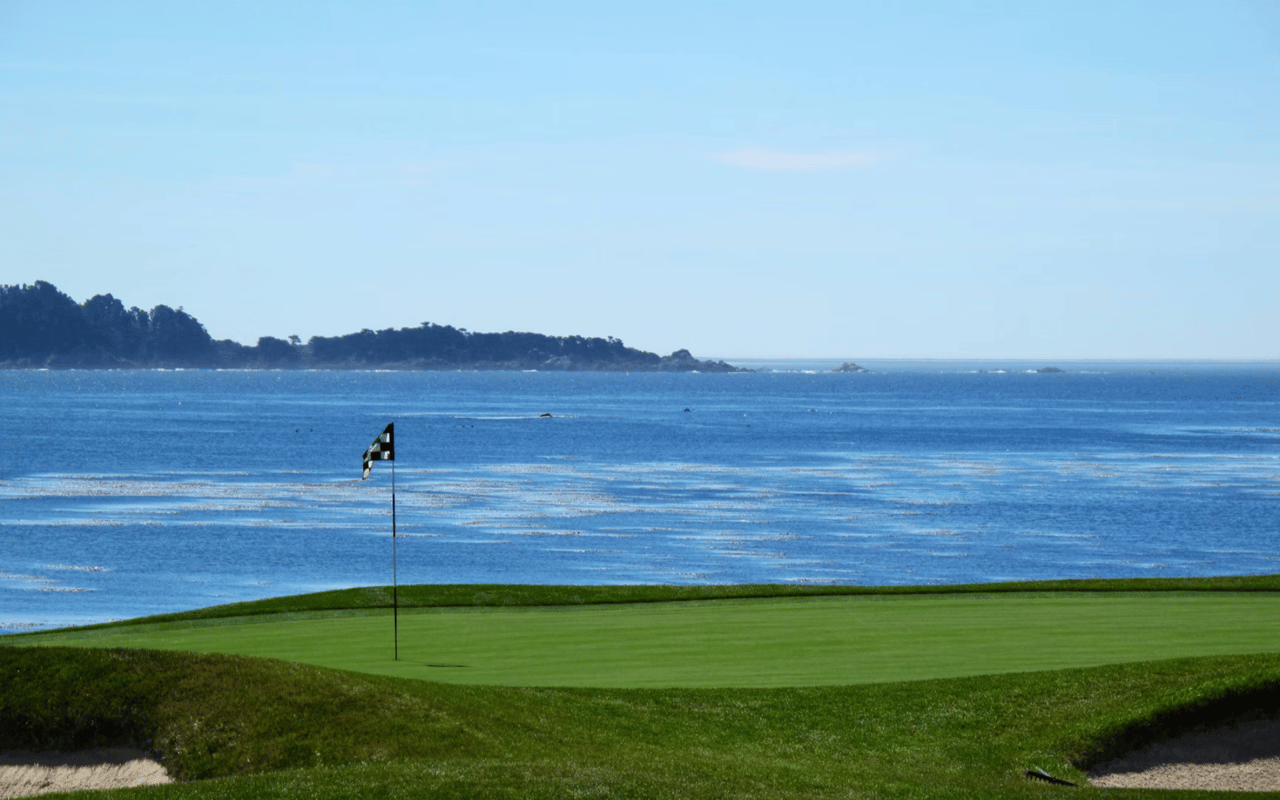
Spyglass Hill is the harder course — tight Del Monte Forest corridors, significant elevation changes, and technical iron play through holes named for the Robert Louis Stevenson novel. The Links at Spanish Bay is Scottish links-style — windswept fescue fairways, pot bunkers, dramatic coastal views, and the famous nightly bagpiper ritual at sunset. Both run along the 17-Mile Drive corridor. This guide breaks down the difference for golfers and for buyers evaluating Pebble Beach real estate.
- DifficultyHigher — forest corridors, elevation, precise iron play
- DesignDunes (holes 1–5) transitioning to Del Monte Forest
- ThemeRobert Louis Stevenson’s Treasure Island
- Post-RoundSpyglass Hill Grill — quiet, club-like
- Real EstateForest estates, larger lots, $5M–$15M+
- DifficultyModerate — links-style, wind-dependent, ground game
- DesignScottish links: fescue fairways, pot bunkers, coastal dunes
- SignatureNightly sunset bagpiper tradition
- Post-RoundRoy’s Restaurant + STICKS bar, Inn at Spanish Bay
- Real EstateWaterfront villas, ocean views, $8M–$25M+
Spyglass Hill vs. The Links at Spanish Bay
| Spyglass Hill | The Links at Spanish Bay | |
|---|---|---|
| Difficulty | Higher — tight forest corridors, elevation changes, demanding iron play; considered harder than Spanish Bay by most professionals | Moderate — links-style play rewards ground game and wind management over power |
| Design | Hybrid: opens in coastal dunes (holes 1–5 with Pacific views), transitions into Del Monte Forest (holes 6–18) | Pure Scottish links: windswept fescue fairways, pot bunkers, native coastal grasses; designed by Robert Trent Jones Jr., Sandy Tatum, and Tom Watson |
| Theme | Treasure Island — holes named after characters and places from Stevenson’s novel | St. Andrews spirit — evokes historic windswept courses of Scotland |
| Signature | Holes 1–5 with Pacific Ocean backdrop, reminiscent of Cypress Point | Nightly sunset bagpiper tradition — a piper marches along the dunes to “put the course to sleep” |
| Post-Round | Spyglass Hill Grill — casual yet refined, views of the ninth green, quiet club atmosphere | Roy’s Restaurant (Hawaiian-fusion, ocean views) and STICKS bar with fire-pit seating at the Inn at Spanish Bay |
| Lifestyle | Forest solitude — preferred by serious competitive players who want technical challenge and privacy | Resort-integrated social hub — walkable from villas to the clubhouse, nightly community gathering at sunset |
| Real Estate | Larger lots, Del Monte Forest greenbelts, privacy — $5M to $15M+ | Waterfront villas, unobstructed ocean views, premium location — $8M to $25M+ |
The Brutal Beauty of Spyglass Hill
Spyglass Hill is frequently described by professionals as the greatest meeting of sand and trees — a technical challenge that begins in the dunes and finishes in the forest. It consistently ranks among the hardest courses on the AT&T Pebble Beach Pro-Am rotation.
Technical Mastery and Forest Solitude
- Treasure Island Themes define the course — each hole named after characters and places from the Robert Louis Stevenson novel, giving Spyglass a literary identity unlike any other course on the Peninsula.
- Undulating Greens and strategically placed water hazards demand absolute precision, making this the preferred test for serious competitive players who want a challenge beyond what the wind alone can deliver.
- Inland Elevation changes provide a silent, contemplative atmosphere that stands in sharp contrast to the more resort-oriented coastal experience at Spanish Bay.
The first five holes provide a visual experience reminiscent of Cypress Point, where the Pacific Ocean serves as a dramatic backdrop for every approach shot — before the course retreats into the forest for one of the most technically demanding back nines on the Monterey Peninsula.
The Scottish Spirit of Spanish Bay
The Links at Spanish Bay offers a distinctive aesthetic that evokes the historic windswept courses of Scotland — firm, fast fescue fairways and traditional pot bunkers designed by Robert Trent Jones Jr., Sandy Tatum, and Tom Watson.
Sensory Luxury and Coastal Vistas
- Scottish Links Design features firm, fast fairways and native grasses that challenge players to utilize a ground-game strategy rarely seen in American golf. Wind management replaces power as the primary skill.
- Sunset Bagpiper Tradition marks the conclusion of the day — a piper marches along the dunes at dusk to “put the course to sleep” in a celebrated nightly ritual that has become one of the most distinctive experiences in American golf culture.
- Roy’s Restaurant serves as the social anchor of the clubhouse, offering Hawaiian-fusion cuisine and expansive views of the final hole and the ocean. Publisher to verify current operating hours before deploying.
Residents value the ability to walk from their waterfront villas to the clubhouse for a refined evening of dining and coastal views — an integration of golf and lifestyle that Spyglass Hill, by its more secluded forest character, does not replicate.
Real Estate Implications of Course Proximity
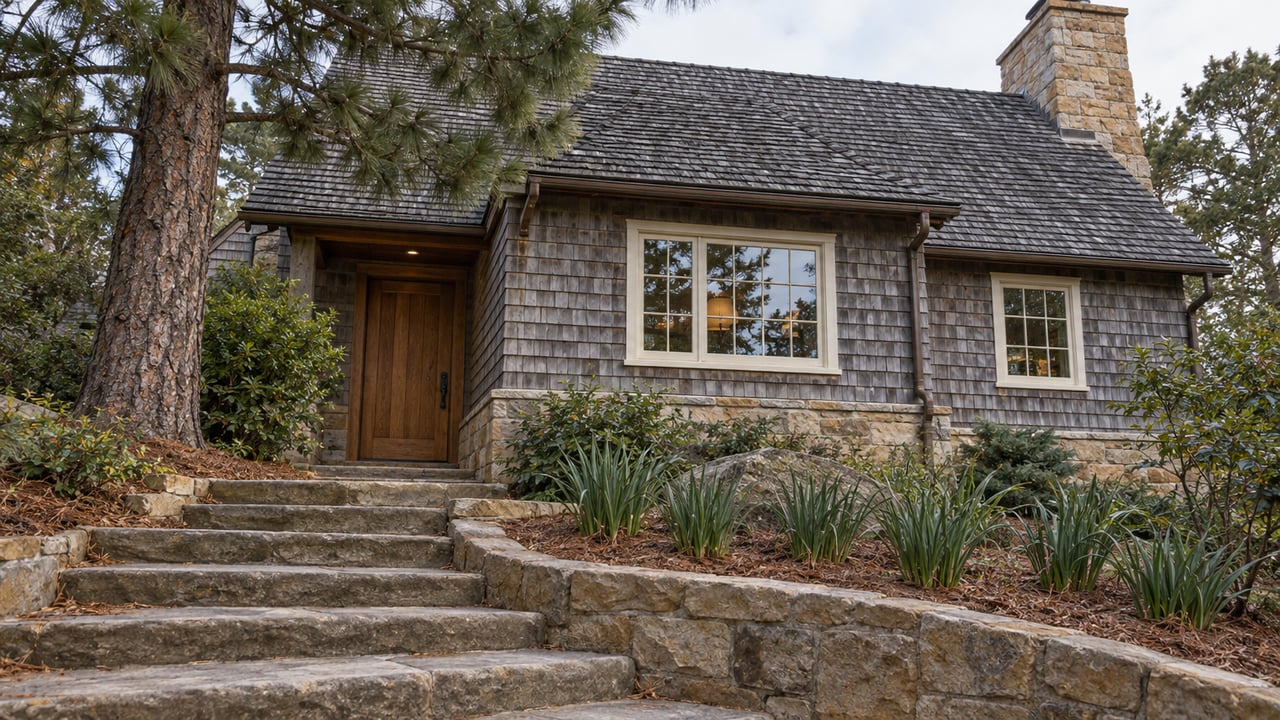
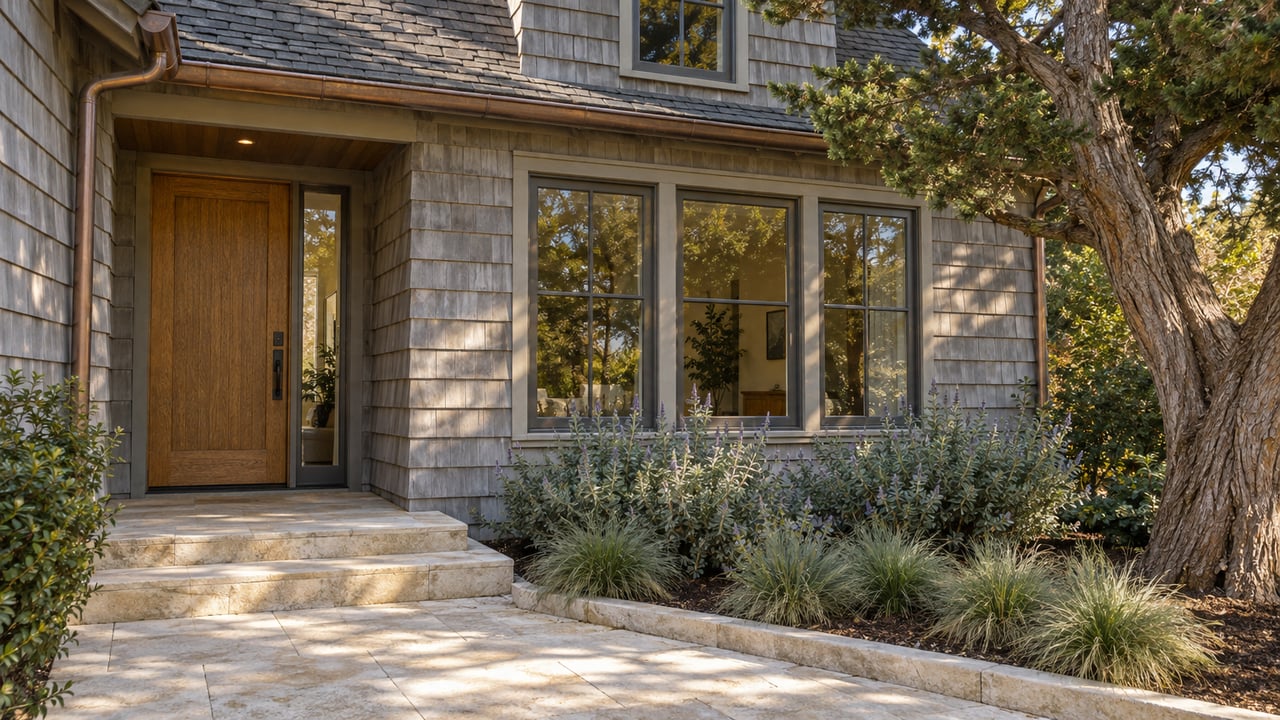
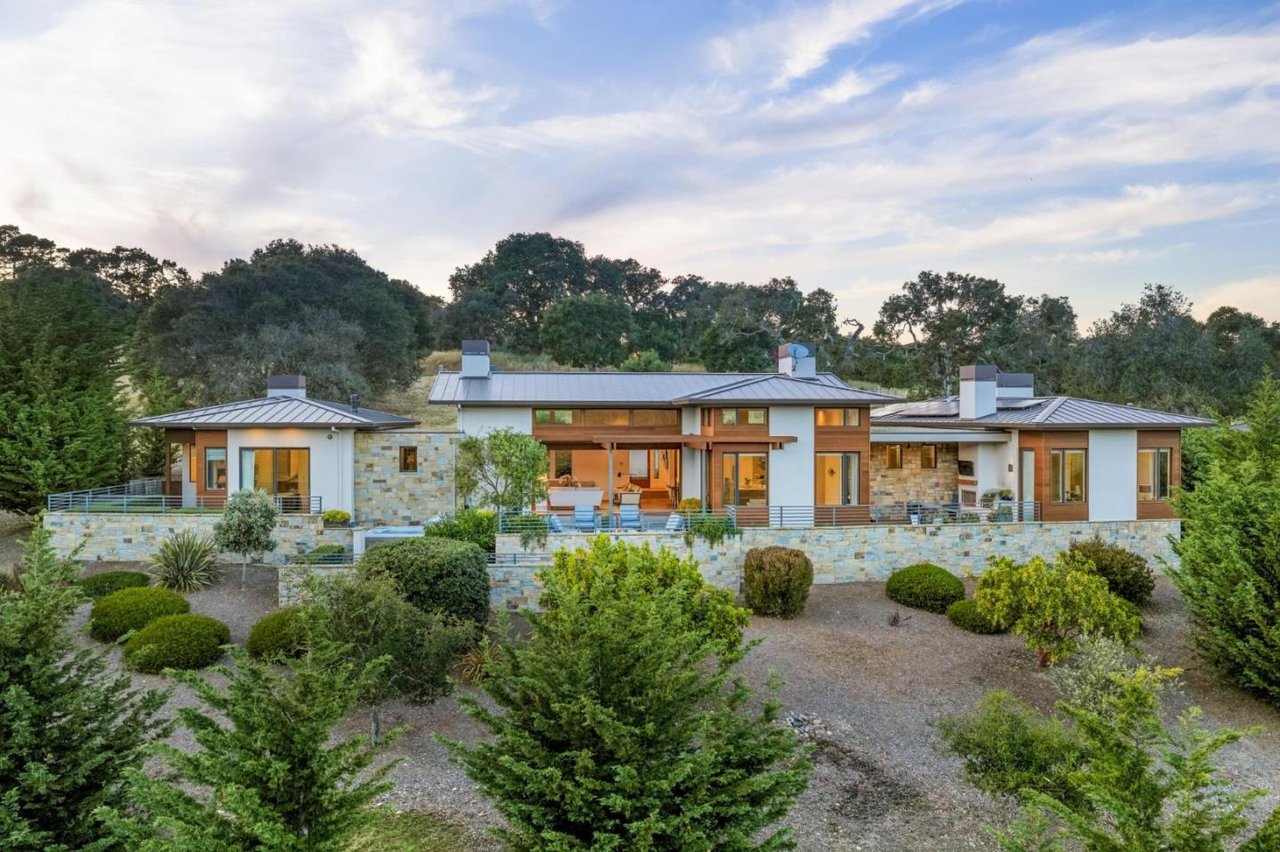
Homes bordering Spanish Bay often command a premium for their unobstructed ocean views, while forest estates near Spyglass Hill offer a level of privacy and natural beauty highly prized by long-term residents who prioritize seclusion over social amenity.
Market Profile for 2026 Golf-Adjacent Properties
- Waterfront Estates near Spanish Bay command $8M to $25M+ — buyers prioritize the iconic coastal lifestyle and resort proximity of the Inn at Spanish Bay, with walkability to the clubhouse among the most frequently cited purchase rationale.
- Forest Sanctuaries around Spyglass Hill offer larger lot sizes at $5M to $15M+ and a serene connection to the Del Monte Forest’s protected greenbelts — preferred by buyers who want privacy over ocean frontage.
- Modern Renovations in both sectors increasingly incorporate outdoor wellness spaces and floor-to-ceiling glass to maximize course and ocean views. New construction activity in both corridors remains active in 2026.
The enduring stability of the Pebble Beach market is built upon the limited supply of homes that offer front-row access to these global landmarks. Inventory in both corridors is consistently thin, and the combination of 17-Mile Drive gated access and world-class golf course adjacency creates a scarcity premium that persists through broader market cycles.
Live Where You Play
Whether you prefer the forest solitude of Spyglass or the social energy of the Inn at Spanish Bay, Pebble Beach real estate is defined by access to iconic scenery, gated-road privacy, and the everyday ease of moving between coastal overlooks, Carmel dining, and world-class golf. Browse current Pebble Beach listings.
Frequently Asked Questions
Pebble Beach Resorts operates four courses: Pebble Beach Golf Links (the signature oceanside course, host to six US Opens), Spyglass Hill Golf Course (the forest-dune hybrid, considered the hardest course in the AT&T Pro-Am rotation), The Links at Spanish Bay (Scottish links-style, windswept coastal course with the nightly bagpiper tradition), and Poppy Hills Golf Course (operated by the Northern California Golf Association). The AT&T Pebble Beach Pro-Am rotates primarily through Pebble Beach Golf Links, Spyglass Hill, and Poppy Hills.
For the iconic oceanside experience, Pebble Beach Golf Links is the definitive choice — consistently ranked among the top 10 courses in the world. For the most technically challenging round, Spyglass Hill is widely regarded as the hardest course in the Pro-Am rotation. For a more relaxed, atmospheric experience with the sunset bagpiper tradition, The Links at Spanish Bay offers something unique to American golf. The “best” course depends on whether you prioritize prestige and ocean views (Pebble Beach Golf Links), technical challenge (Spyglass Hill), or Scottish links atmosphere (Spanish Bay).
No — Spyglass Hill is widely regarded as the more difficult challenge. The tight Del Monte Forest corridors, demanding elevation changes, and technical iron play required on holes 6–18 make Spyglass considerably harder than Spanish Bay’s links-style layout. Spanish Bay rewards wind management and a ground game; Spyglass demands shot-shaping precision through forest terrain.
Spyglass Hill opens in dramatic coastal dunes (holes 1–5) before transitioning into the Del Monte Forest (holes 6–18), with a Treasure Island literary theme and significant elevation changes. Spanish Bay is a pure Scottish links course — windswept fescue fairways, pot bunkers, and a flat coastal layout with the nightly sunset bagpiper tradition and resort integration with the Inn at Spanish Bay.
September and October typically offer the clearest skies and most consistent temperatures on the Monterey Peninsula — the coastal fog that characterizes summer tends to lift by early fall. Spring (March–April) is also popular with the Peninsula at its most lush. January and February host the AT&T Pebble Beach Pro-Am, which brings tournament-ready conditions but the most congested tee sheets.
Residents often prefer Spanish Bay for its social vibrancy — the sunset bagpipe ritual, the STICKS bar fire pits, and the walkable connection to the Inn at Spanish Bay create a community-wide gathering culture that Spyglass Hill, with its more solitary forest character, does not replicate. Buyers near Spanish Bay prioritize oceanfront lifestyle and resort access; buyers near Spyglass Hill prioritize privacy, larger lots, and the protected forest setting of the Del Monte Forest greenbelts.