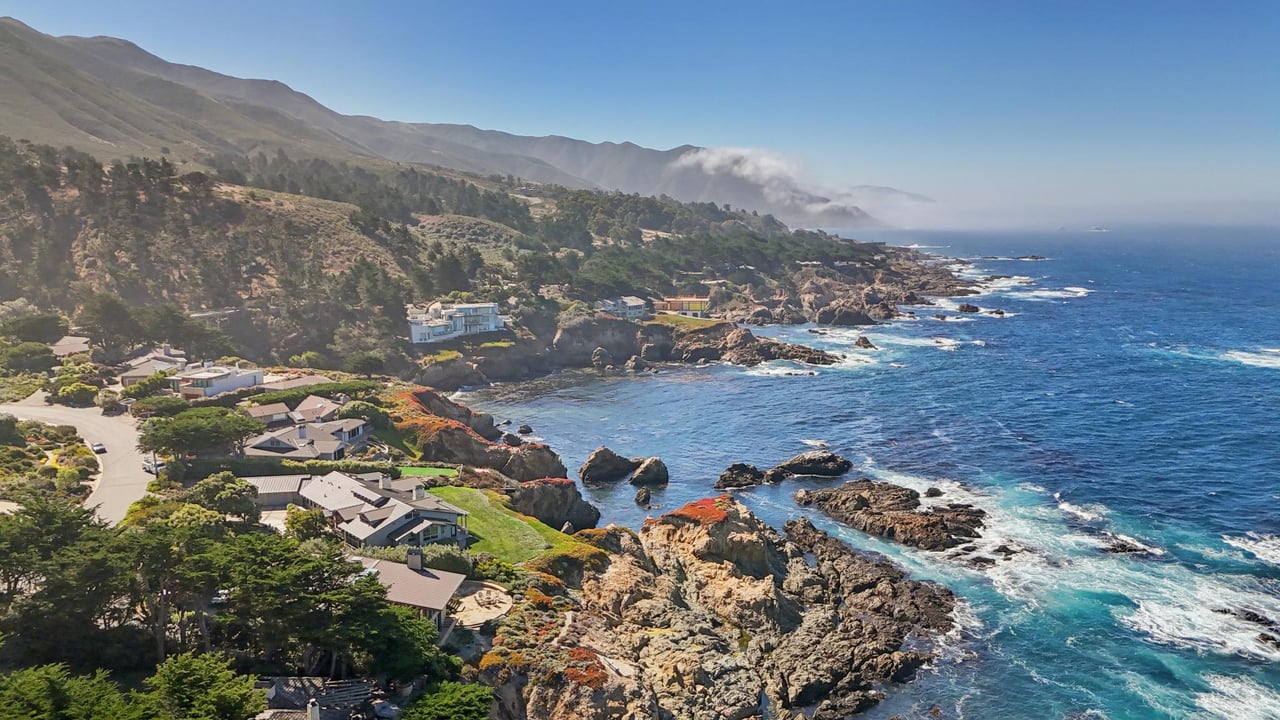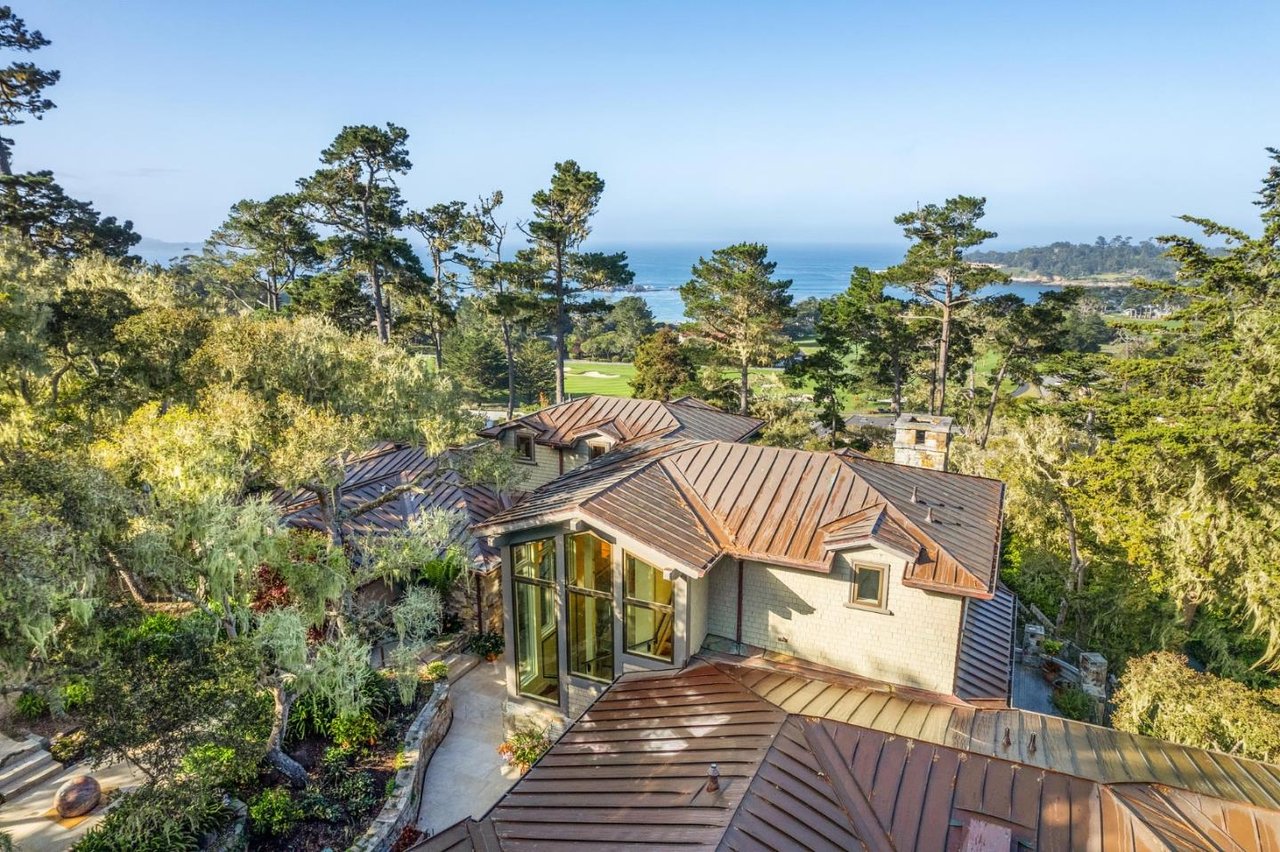
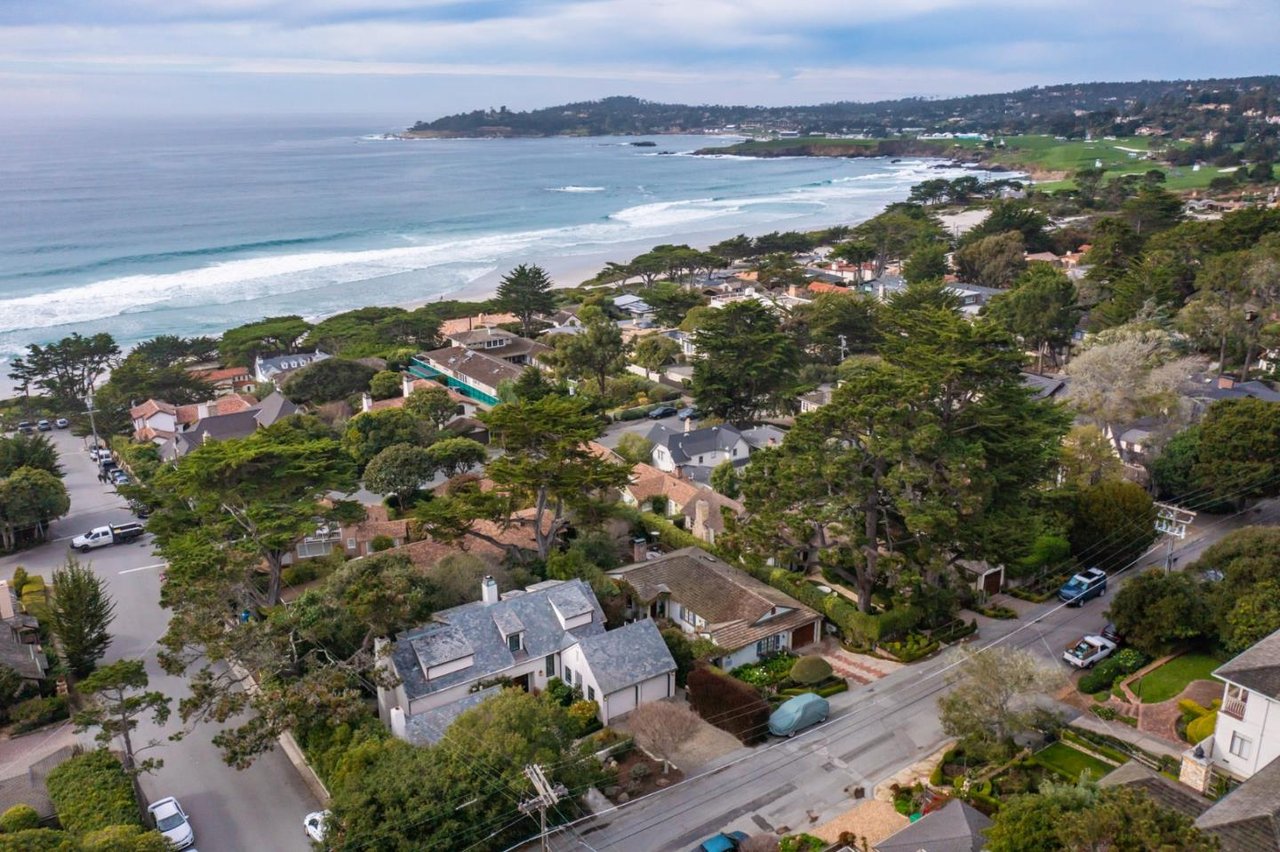
Every listing photo in Carmel-by-the-Sea is taken on the one clear, sunlit afternoon a photographer could find. The wide-angle lens stretches the living room, the fog has burned off, and the towering Monterey pine that shades half the lot is cropped out of frame. By the time you tour homes in Carmel-by-the-Sea in person, you're often meeting a different house than the one in the photos.
This guide is built around what shows up during a live showing, not a generic homebuying checklist. Dana Bambace has worked Monterey Peninsula real estate since 2006, and Mark Peterson still lives locally, which means the Bambace Peterson Team reads a listing the way a local would. Four things separate a Carmel-by-the-Sea tour from a tour anywhere else: the tree canopy overhead, the era the home was built in, the fog on the block you're standing on, and how far your feet have to travel to reach Ocean Avenue. We'll cover all four, plus the walk-through basics, what to look out for, and the questions worth asking before you write an offer. For general groundwork, the team's guide to buying a home in Carmel-by-the-Sea is a useful companion piece.
What Listing Photos Can't Show You About a Carmel-by-the-Sea Home
A wide-angle lens can make a modest bedroom look like it fits a king bed with room to spare. Bring a tape measure or a measuring app to your tour and check the rooms that matter most to you.
Listings also skip the rooms that don't photograph well: the laundry closet, the crawl space access, the side yard, the parking situation on a narrow lane. If a gallery jumps from the kitchen straight to the primary bedroom with no hallway shot, ask why.
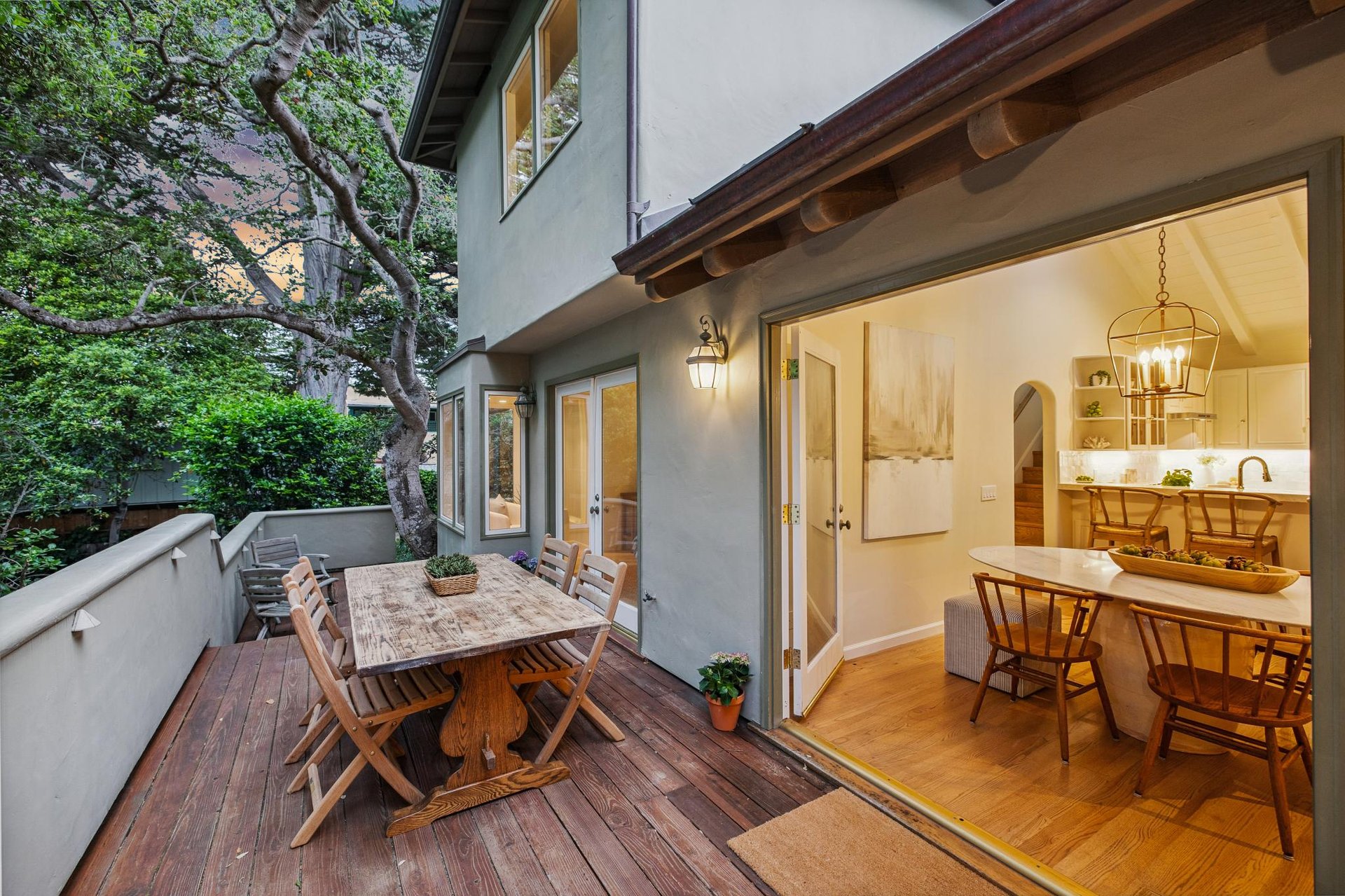
Two Carmel-specific gaps matter more here than almost anywhere else. Tree canopy rarely shows up in a staged photo, because photographers shoot to maximize brightness, so a home that reads as sunny online can sit under a dense stand of pine or oak that keeps the interior dim and the roof damp. No photo can convey fog exposure either, and a home two blocks from a heavier marine layer zone can feel like a different climate than one a few streets away. Add in the true walking distance to the village, which listing copy often rounds generously, and the case for an in-person or video walk-through over the photo gallery becomes clear. This is the beyond-the-photos gap that makes touring homes in Carmel-by-the-Sea a different exercise than scrolling a feed.
Browsing homes for sale in Carmel-by-the-Sea before your tour gives you a baseline for comparison once you're standing in the actual rooms.
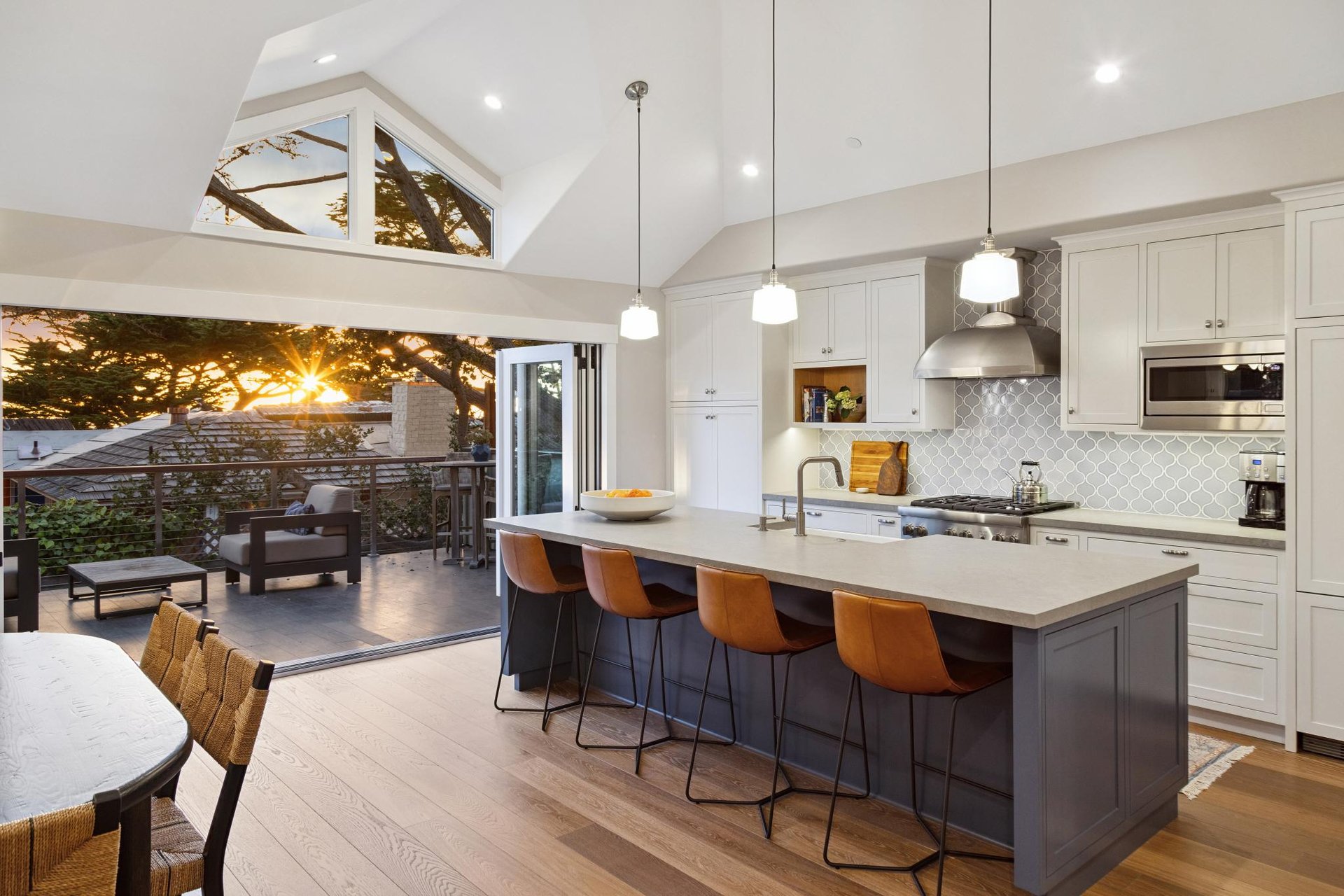
The Walk-Through Basics: What to Check on Any Carmel-by-the-Sea Tour
Start with the foundation. Many older Carmel homes sit on raised perimeter foundations rather than poured concrete slabs, which matters for moisture management and future remodel flexibility. Ask what type the home has and whether it's been inspected or upgraded.
Moisture deserves extra attention because the coastal fog keeps humidity elevated for much of the year. Look under sinks, check the base of exterior walls, and glance at the crawl space if access is available. Musty smells, soft baseboards, or peeling paint near ground level are worth noting even if nothing looks dramatic.
Heating is another local quirk. A large share of Carmel-by-the-Sea's housing stock predates central forced-air systems, and many homes still rely on wall or floor furnaces instead, which changes how a home heats room to room.
Use a five-senses approach as you move through the house: look for water staining near ceilings and windows, listen for creaks that might point to settling, smell for anything masked by air freshener or fresh paint, touch walls near windows for dampness, and notice whether a room that looked bright in photos gets direct sun or sits shaded by the canopy outside.
Questions to Ask the Listing Agent During a Carmel-by-the-Sea Tour
Ask about permit history for additions, decks, or interior remodels, since unpermitted work is common enough in older coastal towns to be worth confirming directly. Ask whether the property has had arborist reports or tree work, and whether trees on the lot are protected. Ask whether the home has gone through, or would likely trigger, a historic evaluation given its age. A Carmel-by-the-Sea real estate agent should be able to help you frame these questions to get a straight answer rather than a marketing one.
Cottage-Era Construction vs. Remodeled Homes in Carmel-by-the-Sea
Carmel-by-the-Sea's housing stock spans nearly a century of building styles, but the town's identity still leans on its 1920s and 1930s storybook cottages, the small-scale, hand-built homes with steep rooflines and irregular stonework that gave the village its character. Touring one of these original Carmel-by-the-Sea cottages is a different experience than touring a home remodeled down to the studs.
In an unrestored cottage, expect original plumbing and wiring that may or may not have been updated, smaller room proportions, and layouts that predate modern kitchen and bathroom standards. None of that is disqualifying, but it changes your inspection priorities and renovation budget. A remodeled home often has the systems handled but may have lost some of the original character, which matters if part of the appeal was owning a piece of the town's early architecture.
Age also brings a regulatory layer unique to this market. Homes approaching or exceeding roughly 50 years old can trigger a historic resource evaluation as part of the permitting process, and exterior changes to a home with historic status typically require review by the city's Historic Resources Board. That review can shape what future owners are allowed to do to the exterior, so it's worth understanding a home's historic status, or its likelihood of gaining one, before getting attached to a remodel plan.
There's an upside worth knowing too. Homes that qualify under California's Mills Act program can become eligible for a reduced property tax assessment in exchange for maintaining historic character, a meaningful consideration for buyers drawn to an original cottage rather than a modern rebuild. The planning division's public FAQ page covers how the city approaches evaluation and review.
Tree Canopy and Tree Removal Rules: A Carmel-by-the-Sea Blind Spot
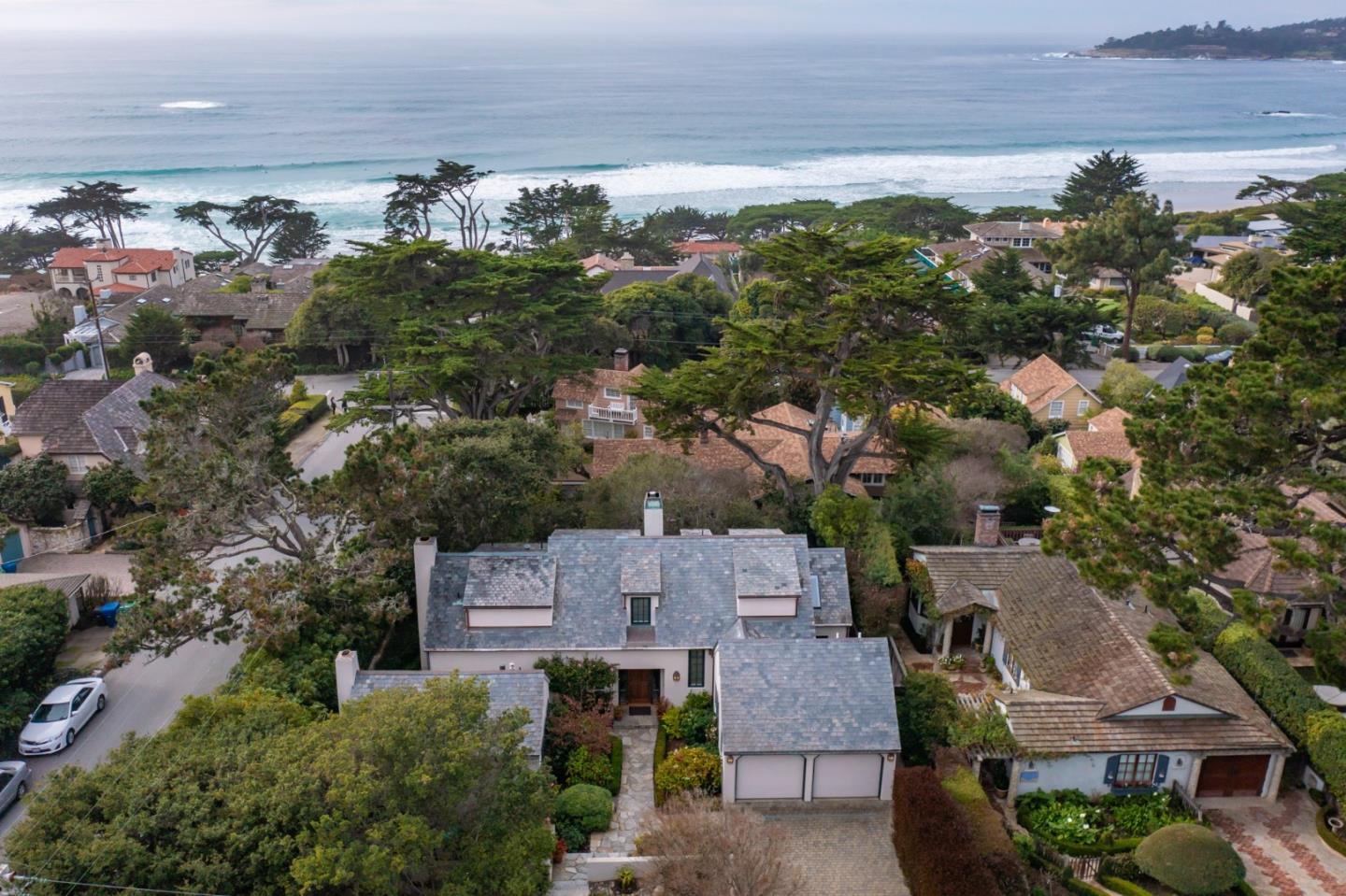
Carmel-by-the-Sea is famously wooded, and the tree canopy over a lot affects more than curb appeal. It shapes how much natural light reaches the interior, how exposed the home is to fog drip, and how much flexibility a future owner has to open up a lot for a garden, an addition, or better solar access.
What most out-of-town buyers don't expect is how tightly the city regulates tree removal. Removing or heavily pruning a tree on private property generally requires a permit, with an evaluation or pruning permit running roughly $205 and a removal permit running roughly $698, plus a review timeline of about six weeks. That timeline and cost matter if opening up a shaded yard or a view is part of your plan for a property.
While touring, check the canopy relationship to the house rather than relying on the listing photos. Look for branches resting on the roof, root systems near the foundation, and how much of the lot is shaded versus open. Ask whether any trees have prior removal requests or documented health issues on file. The city's permit guidelines lay out the current process and fee structure.
Fog Exposure by Block: Why Carmel-by-the-Sea Can Feel Like Two Climates
Carmel-by-the-Sea covers about one square mile, and yet the marine layer touches different blocks in noticeably different ways. A home near Carmel Point can sit in heavier fog through the morning while a home a few blocks toward Carmel Woods or Northwest Carmel clears earlier. Elevation, tree cover, and proximity to the shoreline all play into how much fog a given address absorbs.
No single tour, and no listing photo taken on a clear afternoon, can show you this pattern. A property that looks bathed in sunlight in its marketing photos might spend much of most mornings under a gray marine layer. If climate and light matter to your day-to-day life in the home, tour at more than one time of day, once in the morning and once in the afternoon, to see how the block behaves.
This is one of the areas where decades of local knowledge pay off in ways a spreadsheet can't replicate. Dana has walked buyers through the same block on a foggy morning and a clear afternoon and watched their impression of the same house change between visits. Understanding how coastal marine layers form helps explain why this variation exists, and a local agent who has watched the pattern for years across the Golden Rectangle, Carmel Point, and the surrounding neighborhoods can help you weigh it before you commit.
Walkability to Ocean Avenue: What Distance Means in Carmel-by-the-Sea
Walkability is one of the biggest draws to living in Carmel-by-the-Sea, and it's also easy to misjudge from a listing description. Because the town is compact, roughly one square mile, most homes are technically within reach of Ocean Avenue and the village core. But walking distance depends on elevation change, streets that lack sidewalks in places, and how the block feels underfoot, not just the straight-line distance on a map.
A home listed as close to the village might sit at the top of a steep rise that makes the walk longer than the map suggests, while another home slightly farther out on flatter ground can feel more walkable in practice. If walking to the village for dinner or morning coffee matters to your lifestyle, walk the actual route during your tour rather than trusting a distance estimate.
One detail that surprises many newcomers: Carmel-by-the-Sea doesn't use a standard street numbering system. Homes are identified by a directional description relative to two cross streets, and often by a house name rather than a street number, with mail picked up at the post office rather than delivered to a numbered address. The city's address system explanation walks through how it works, worth reviewing before your first tour.
For a broader sense of how walkability and distance to the village vary across the surrounding area, the team's overview of neighborhoods near Carmel-by-the-Sea is a useful starting point, and buyers weighing a quieter, larger-lot alternative sometimes compare notes on nearby Pebble Beach homes near Carmel-by-the-Sea as part of the same search.
What to Look for Beyond the Surface
A strong scent of air freshener, cleaning products, or fresh paint in a specific room can be masking a moisture or mold issue rather than covering ordinary wear. If one wall or ceiling has a noticeably fresher paint job than the rest of the house, ask what prompted it.
Signs of unpermitted work are common enough in older coastal towns to watch for directly: a bathroom or bedroom addition that doesn't match the rest of the home's construction, electrical panels with amateur wiring, or a garage conversion without obvious permit history. These aren't automatic dealbreakers, but they're worth raising with the listing agent and confirming through city records.
Foundation and moisture indicators can include cracks wider than a hairline, doors and windows that stick or don't close square, sloping floors, and any musty smell near ground level. None of this replaces a licensed home inspection. A tour tells you what to ask about; a qualified inspector tells you what's happening behind the walls, in the crawl space, and in the systems you can't fully evaluate by eye during a 45-minute showing.
Why Touring Carmel-by-the-Sea Homes Is Different From Anywhere Else
Pull the four threads together and the picture is clear. Tree canopy shapes light, moisture, and what you can legally do with a lot. Construction era determines whether you're managing original 1920s systems or evaluating a full remodel, layered on top of a historic-review process that can limit exterior changes. Fog exposure varies block by block in a town barely a mile across, so the same afternoon sunshine in a photo can mean something different two streets over. Walkability to Ocean Avenue depends on the terrain underfoot, not just a straight-line distance, in a town where homes are found by cross streets and house names rather than numbers.
None of that is obvious to someone touring homes in Carmel-by-the-Sea for the first time, and it isn't always covered in a national homebuying guide. Dana Bambace has worked this market since 2006, and Mark Peterson still lives locally, which puts the Bambace Peterson Team in a position to walk a buyer through these details on site. The team has closed more than $750 million in sales across the Monterey Peninsula since 2018 and has been the top-ranked Compass team on the Monterey Peninsula every year since the local office opened that same year, a track record built on touring this inventory, block by block, for a long time. Buyers looking for properties that haven't hit the open market yet can also ask about off-market listings in Carmel-by-the-Sea.
Frequently Asked Questions About Touring Homes in Carmel-by-the-Sea
What should I look for when touring homes in Carmel-by-the-Sea?
Pay attention to Carmel-by-the-Sea specifics: tree canopy over the lot, whether the home relies on a wall or floor furnace instead of central heat, signs of moisture from the marine layer, and the true walking distance to Ocean Avenue rather than the distance implied by the listing.
What do listing photos not show about a Carmel-by-the-Sea home?
Photos are typically shot on a clear day with a wide-angle lens, which exaggerates room size and hides tree canopy, fog exposure, and the true feel of natural light. They also skip less flattering angles like hallways and parking, all of which matter when touring homes in Carmel-by-the-Sea in person.
How long does it take to get a tree removal permit in Carmel-by-the-Sea?
The city's review process generally takes about six weeks, with an evaluation or pruning permit costing roughly $205 and a full removal permit costing roughly $698.
Is it better to buy an original 1920s cottage or a remodeled home in Carmel-by-the-Sea?
It depends on your priorities. An original Carmel-by-the-Sea cottage offers character and history but may carry older plumbing, wiring, and smaller rooms, plus potential historic-review requirements. A remodeled home typically has updated systems but may have less original character.
Which parts of Carmel-by-the-Sea get the most fog?
Fog exposure varies block by block, with proximity to the shoreline, elevation, and tree cover all playing a role. Areas like Carmel Point can see heavier morning marine layer than blocks farther from the water.
How far is a typical Carmel-by-the-Sea home from Ocean Avenue?
Because the town covers roughly one square mile, most homes are within walkable distance of Ocean Avenue, but the walk can feel longer or shorter depending on elevation and street conditions. Walking the actual route gives a truer sense of distance than a map estimate.
How many homes should I tour before making an offer in Carmel-by-the-Sea?
There's no fixed number, but most buyers benefit from touring a range of properties across different blocks and price points to calibrate for fog exposure, tree canopy, and construction era before committing.
What questions should I ask my realtor when touring a home in Carmel-by-the-Sea?
Ask about permit history, arborist reports or protected trees on the lot, whether the home has undergone or would likely trigger a historic evaluation, and how the block's fog exposure and walking distance to the village compare to similar listings in Carmel-by-the-Sea.
Do I need a permit to remove a tree on a property I'm buying in Carmel-by-the-Sea?
In most cases, yes. Carmel-by-the-Sea requires a permit for tree removal and heavy pruning on private property, with fees and a review timeline set by the city. Confirm a lot's tree status before assuming you can change the landscaping after closing.
What should I look for when touring an older Carmel-by-the-Sea cottage?
Watch for masking odors or unusually fresh paint in one area, signs of unpermitted additions or amateur electrical work, foundation cracks, sticking doors or windows, and musty smells near ground level. A licensed home inspection is the only way to confirm what's happening behind the walls.
Tour Carmel-by-the-Sea Listings With a Local Team
Touring homes in Carmel-by-the-Sea rewards buyers who know what to look past and what to look for. If you're ready to see current inventory in person, or you want a second set of eyes on a home you've already toured, the Bambace Peterson Team can walk you through active listings and explain the block-by-block details a photo gallery leaves out. Dana Bambace has been reading this market since 2006, Mark Peterson lives here today, and together they've built a reputation as a top realtor team in Carmel-by-the-Sea by treating every tour like the local, detail-first process it deserves to be.
Browse current homes for sale in Carmel-by-the-Sea, review recent Carmel-by-the-Sea real estate market updates, or contact a local Carmel-by-the-Sea real estate agent to schedule a tour and start comparing listings the way a local would.