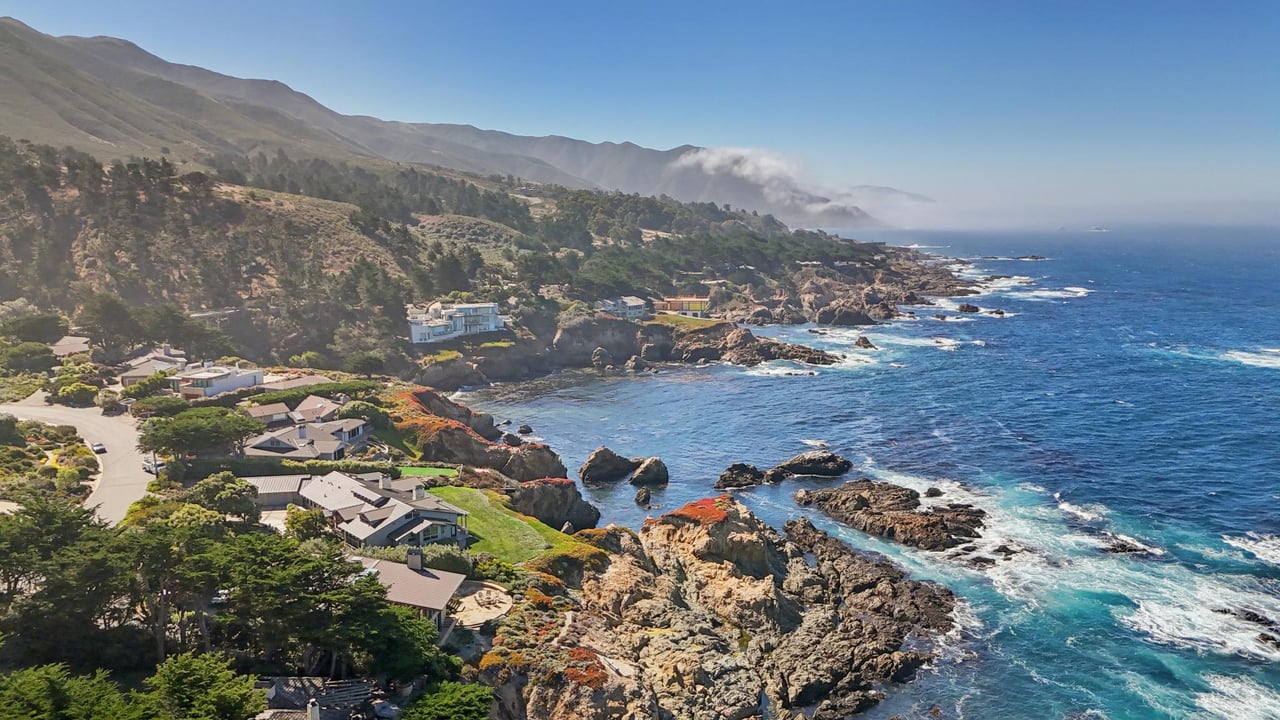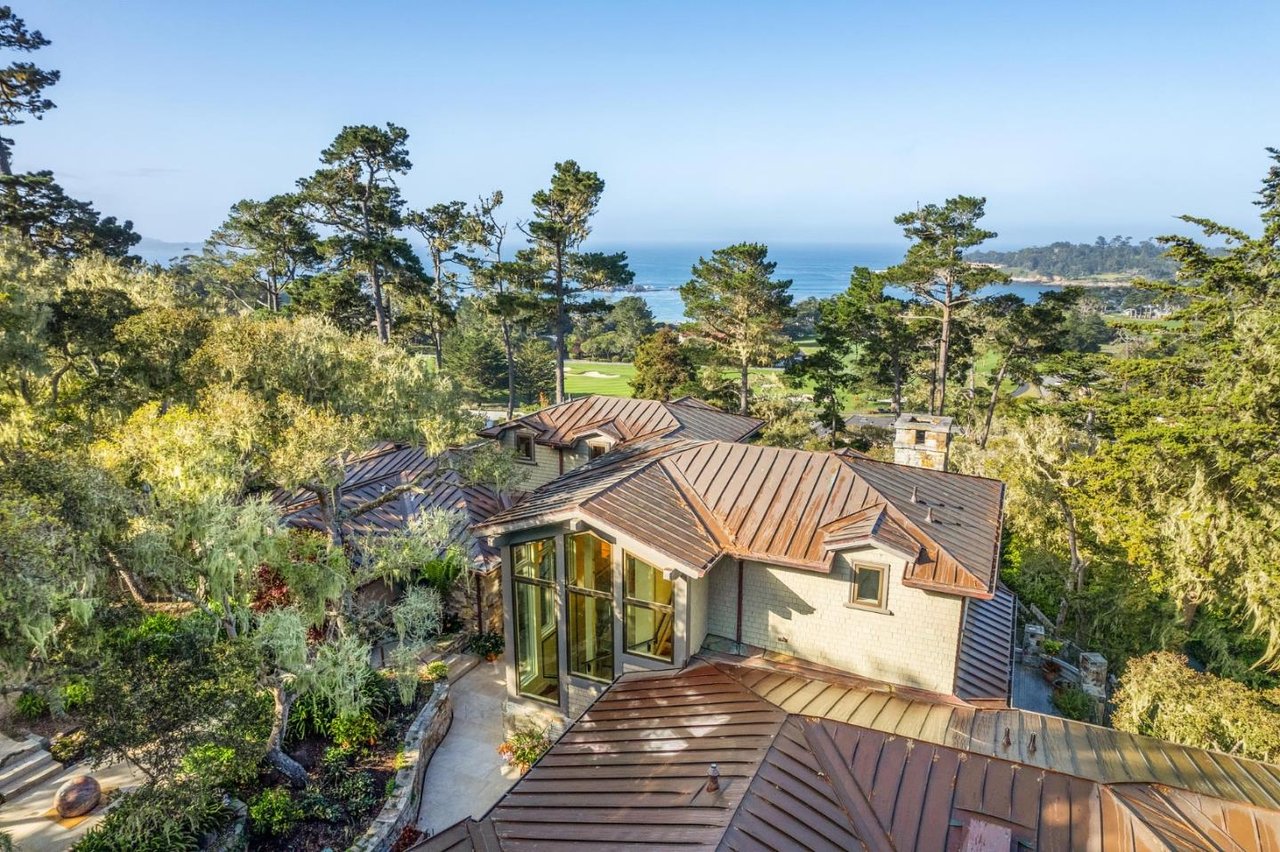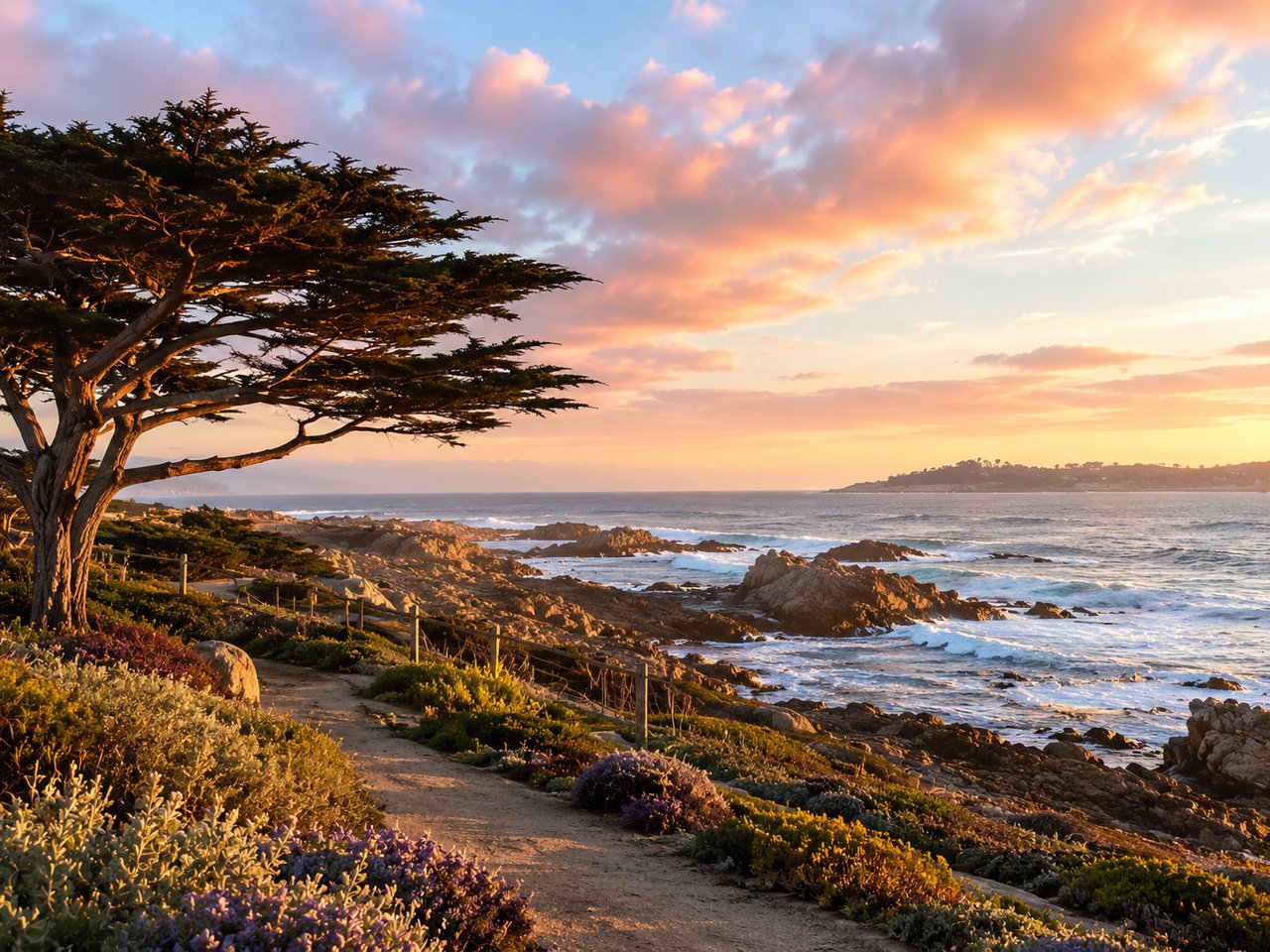

If you picture Big Sur as a simple beach town, owning property there can come as a surprise. This stretch of the California coast is dramatic, beautiful, and deeply tied to the realities of Highway 1, steep terrain, limited infrastructure, and a highly site-specific approval process. If you are considering a retreat along this iconic coastline, understanding how ownership actually works can help you move forward with more clarity and confidence. Let’s dive in.
What Big Sur ownership really means
Big Sur is not a compact town with a traditional residential grid. Monterey County describes it as a coastal planning area that extends for more than 70 miles, from the Carmel area south to the San Luis Obispo County line near San Simeon.
That scale matters when you start your search. A property in Palo Colorado Canyon can feel very different from one in Big Sur Valley, Partington Ridge, Lucia, Gorda, or Garrapata Ridge and Rocky Point, even though all fall within the broader Big Sur coast.
For many buyers, the appeal is obvious. You are trading suburban convenience for privacy, scenery, and a slower, more intentional relationship with place.
Why Highway 1 shapes daily life
In Big Sur, Highway 1 is more than a scenic route. It is the central access corridor for residents, visitors, goods, services, and emergency movement.
That means road conditions can affect your plans in a very real way. Recent Caltrans notices show how access can change quickly, from a 6.8-mile closure tied to the Regent’s Slide that reopened on January 14, 2026, to a reduced speed limit on a 5.1-mile Big Sur segment in April 2026.
Even scheduled events can shape mobility. Caltrans also announced a 27-mile Highway 1 closure for the Big Sur Marathon on April 26, 2026, which is a reminder that the road follows a seasonal and event-driven rhythm.
If you are buying here, it helps to think beyond drive time on a sunny day. You will want to consider how weather, road work, visitor surges, and seasonal traffic patterns may affect access to your property.
Seasonal access is part of the lifestyle
Monterey County’s plan describes heavy winter rainfall, long dry summers, typical summer morning fog near the shore, and an ever-present fire danger. Those conditions are part of what makes Big Sur feel so distinct, but they also shape ownership.
A property may feel wonderfully secluded in one season and more logistically demanding in another. Buyers who thrive here tend to appreciate the landscape as it is, rather than expecting a predictable year-round routine.
What homes in Big Sur tend to look like
Big Sur inventory usually does not resemble a typical coastal subdivision. According to Monterey County, single-family residences are a major land use on private land, but they are scattered across small residential enclaves rather than grouped in one large neighborhood.
You will find homes and homesites associated with areas such as Otter Cove, Garrapata Ridge and Rocky Point, Palo Colorado Canyon, Big Sur Valley, Coastlands, Partington Ridge, Lucia, and Gorda. Each area can present different questions around access, topography, water, and land-use rules.
The wider Big Sur lodging pattern also reflects the area’s low-density character. Cabins, tent cabins, A-frame cabins, campgrounds, and destination lodges are more common than the kind of housing stock many buyers expect in more built-out coastal markets.
Expect variety, not uniformity
Some properties may be established residences. Others may involve guest rooms, accessory structures, or land with highly specific development potential.
Monterey County’s plan also notes that ADUs, guest rooms, and small accessory structures are contemplated in some cases, but under tight limits. That makes property-level review especially important if your long-term vision includes added space or expanded use.
Daily life is beautiful, but not convenience-driven
Living in Big Sur means embracing a more distributed service footprint. Instead of a concentrated town center, dining, shopping, and daily stops are scattered along Highway 1.
Big Sur Valley is the main focal point for camping, lodging, dining, and visitor-serving uses. California State Parks identifies Big Sur Station as an information hub for the area, with wilderness maps, guides, camping supplies, books, gifts, and road-condition information.
The broader Chamber guides point to the same pattern. Places like the Big Sur Deli & General Store, Big Sur Lodge restaurant, Ripplewood Cafe, Lucia Lodge, and several gallery and gift-shop stops serve the coast, but they are spread out rather than clustered together.
Plan ahead for essentials
One practical detail many buyers appreciate learning early is that gas availability is limited in Big Sur. That may sound small, but it reflects a larger truth about ownership here: preparation matters.
Whether you are heading in for the weekend or staying longer, daily life tends to work best when you plan a bit further ahead than you might in Carmel, Monterey, or Pacific Grove.
Emergency support exists, but it is spread out
For buyers considering a primary residence, second home, or legacy retreat, it is wise to understand the service network. Big Sur does have emergency and healthcare support, but it is sparse and distributed across the region.
The Chamber lists 24-hour sheriff support, Highway Patrol, park ranger service, cliff rescue, volunteer fire, ambulance, and a local health center. It also notes that Community Hospital of the Monterey Peninsula is roughly 30 miles north of Pfeiffer Big Sur State Park.
That does not make ownership less appealing. It simply means that informed buyers tend to approach Big Sur with a realistic understanding of distance, response logistics, and the self-sufficiency that coastal rural living can require.
Regulations matter more here than in many markets
One of the biggest differences between Big Sur and other luxury markets is how much the land itself can shape what is possible. Big Sur is governed by Monterey County’s certified Local Coastal Program, and the county identifies the Big Sur Coast as a distinct coastal plan area.
The county is also actively updating the Big Sur Coast Land Use Plan to address changed conditions since the 1986 plan. For buyers, that reinforces an important point: this is a market where regulations, site conditions, and long-term planning context all deserve close attention.
Key due diligence issues to review
Monterey County’s plan treats several issues as core constraints for development and property use. These include:
- Water supply
- Septic considerations
- Slope stability
- Wildfire hazard
- Road access
- Emergency access and evacuation considerations
The plan states that applicants must show an adequate water supply. It also says new development should be avoided in extreme wildfire hazard areas and ties residential approval to emergency access and evacuation concerns.
In Big Sur Valley, the county’s policy is to avoid new sewer systems and treatment plants for development. That is one more reason why ownership here is rarely plug-and-play.
Why Big Sur purchases are so site-specific
In many markets, buyers can compare homes on layout, finishes, and views alone. In Big Sur, those factors still matter, but they are only part of the picture.
Two properties with similar ocean outlooks can have very different practical realities. The difference may come down to access, topography, utility constraints, water, fire exposure, or what the county may allow in the future.
That is why a thoughtful buying process matters so much here. Beyond the emotional pull of the setting, you want to understand how a property functions in the real world and how that lines up with your goals.
Who Big Sur is best suited for
Big Sur ownership tends to resonate most with buyers who value privacy, natural beauty, and architectural or legacy appeal over convenience and uniformity. If you are searching for a retreat that feels deeply connected to the landscape, few places on the California coast offer the same experience.
It can be especially compelling for second-home buyers, lifestyle-driven purchasers, and buyers exploring a one-of-a-kind coastal residence or homesite. The key is entering the process with both excitement and realism.
A smart buyer mindset for Big Sur
If you are serious about owning here, it helps to approach the search with a few expectations:
- Every property will have its own story
- Access should be evaluated as a daily living issue, not just a map point
- Infrastructure questions deserve early review
- Future improvements may involve tighter limits than you see elsewhere
- Patience and local context can protect your decision-making
That mindset does not diminish the romance of Big Sur. It protects it by helping you buy with your eyes open.
The opportunity in owning along this coast
Despite its complexities, Big Sur remains one of the most compelling ownership opportunities on the Monterey Peninsula. The scenery is world-renowned, the housing pattern is low-density, and the experience of being there still feels rare.
For the right buyer, that rarity is the point. You are not just buying a home. You are stepping into a stretch of coastline where the land, the road, and the rhythm of the seasons all shape everyday life in a way that feels unforgettable.
If you are considering a Big Sur retreat, working with a team that understands the Monterey Peninsula’s micro-markets, property nuances, and coastal context can make the process far more strategic and calm. To explore Big Sur opportunities with trusted local guidance, connect with Bambace Peterson.
FAQs
What makes Big Sur real estate different from other Monterey County markets?
- Big Sur is a more than 70-mile coastal planning area with scattered residential enclaves, limited infrastructure, Highway 1-dependent access, and property-specific constraints involving water, septic, slope stability, wildfire hazard, and permitting.
What kinds of properties are common in Big Sur?
- Big Sur commonly includes single-family homes, cabins, low-density residential properties, and select land or homesite opportunities, rather than conventional subdivision-style inventory.
What should buyers know about Highway 1 in Big Sur?
- Highway 1 is the main access corridor, and conditions can change due to slides, road work, weather, speed-limit adjustments, and scheduled events such as the Big Sur Marathon.
What amenities are available for Big Sur homeowners?
- Amenities are spread along Highway 1 and include dining, small retail stops, camping and lodging hubs, limited gas service, and visitor resources centered in places like Big Sur Valley and Big Sur Station.
What due diligence matters most for a Big Sur property purchase?
- Buyers should closely review water supply, septic, slope stability, wildfire hazard, road access, and emergency access or evacuation considerations because these issues are central to Monterey County’s Big Sur planning framework.