Buying a Home in Carmel-by-the-Sea: What the Guides Don't Tell You
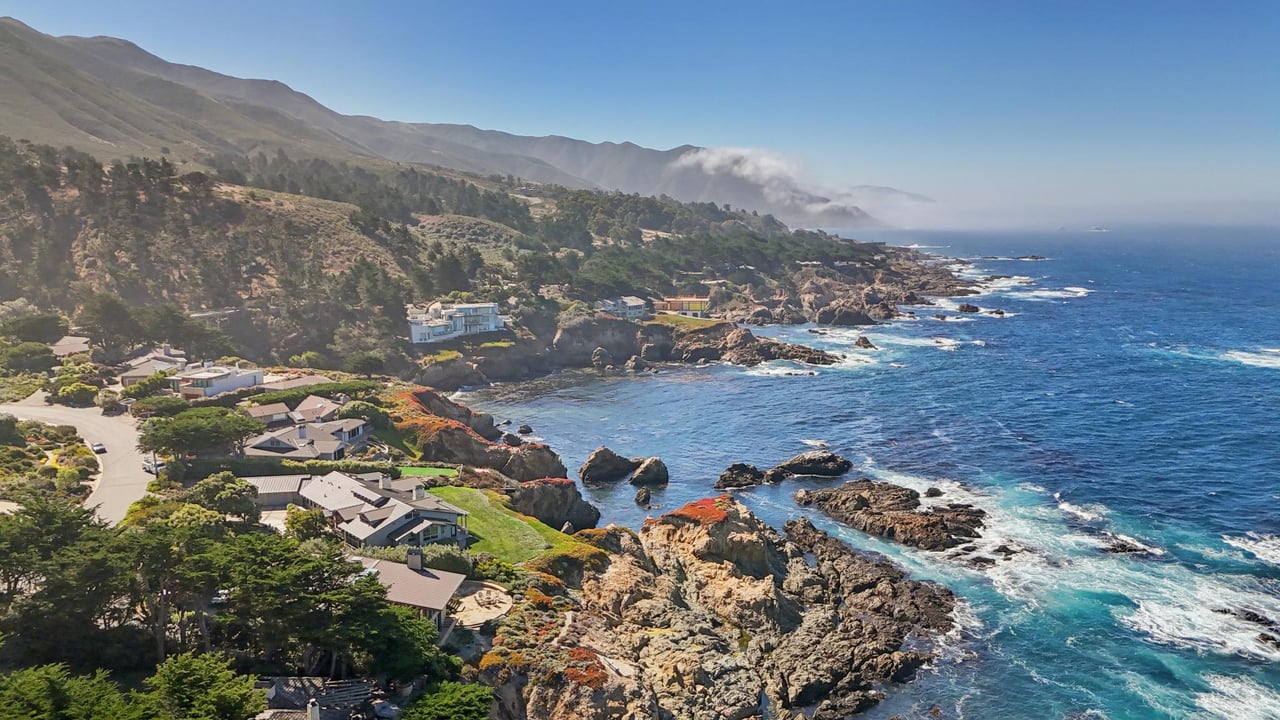
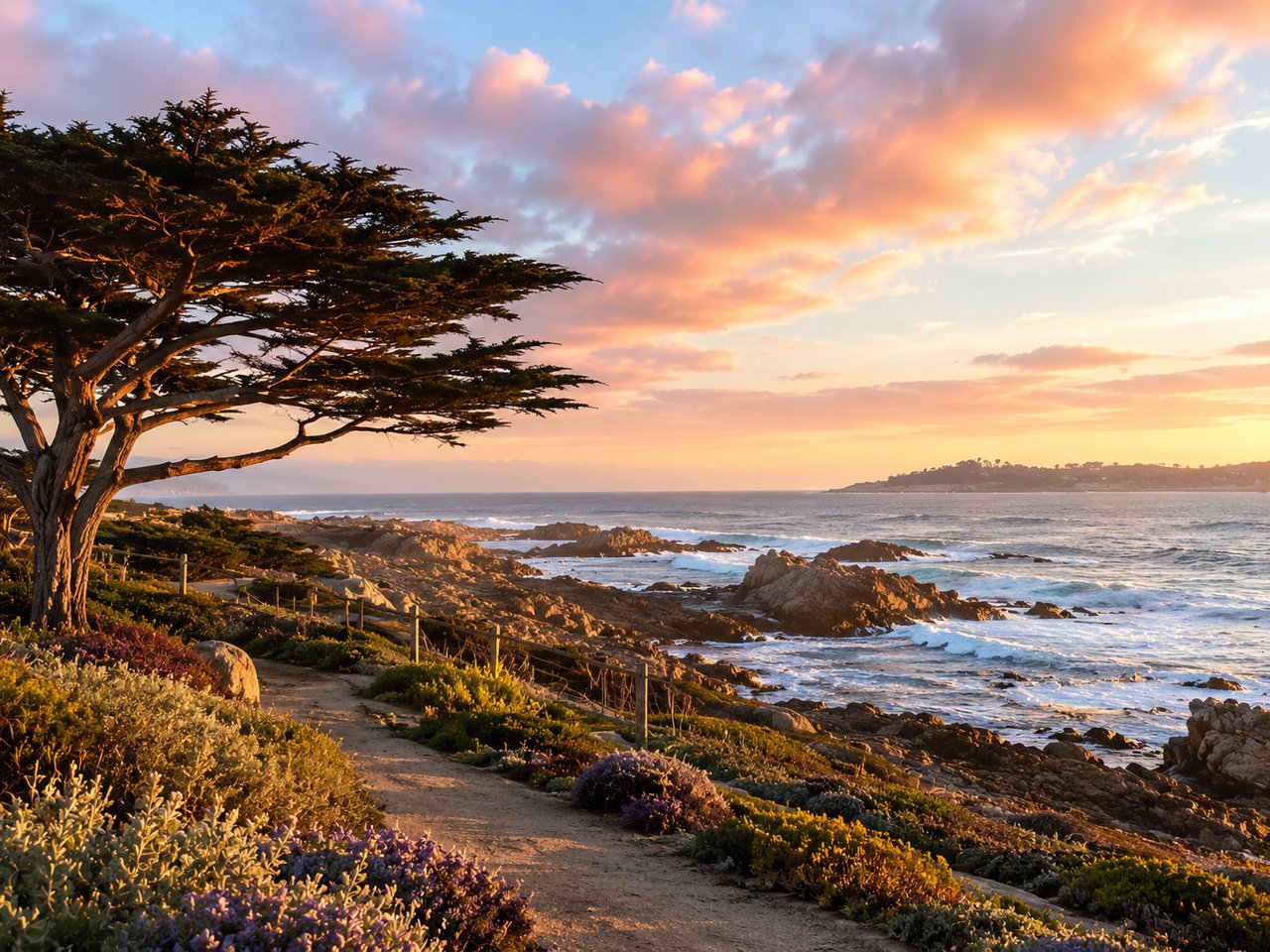
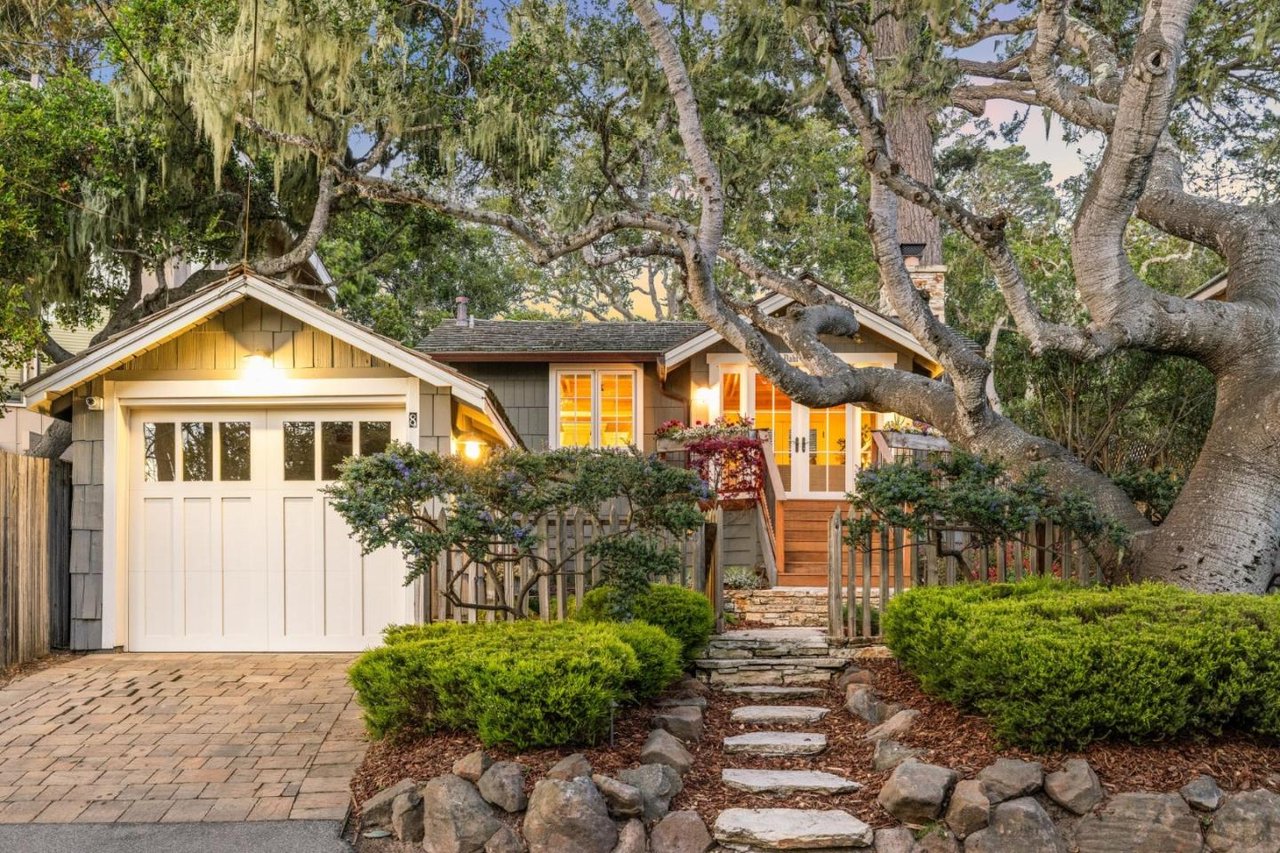
Carmel-by-the-Sea looks like a storybook village, with cottages under cypress trees and no streetlights to break the ocean view. But buying a home in Carmel-by-the-Sea works differently than buying almost anywhere else in California. Houses have names instead of street numbers. A tree in your new yard might need a permit before you can trim it. The town has been built out for decades, so supply rarely grows. This guide covers what general homebuying advice skips: addresses, design review, scarcity, and taxes. Dana Bambace and Mark Peterson, of the Bambace Peterson Team, helped shape the details below.
Why Carmel-by-the-Sea's Real Estate Market Behaves Differently
Carmel-by-the-Sea covers about one square mile. The city incorporated in 1916, and nearly every buildable lot filled in decades ago. That scarcity drives pricing for Carmel-by-the-Sea real estate more than any other factor.
Most homes are older and custom built, not part of a subdivision. You'll find single-story Carmel cottages from the 1920s next to fully remodeled homes.
Because the town can't expand, homes rarely sit long on the market once priced right. Waiting for a listing on the open MLS is a weak strategy here. A local real estate agent who hears about listings early matters more here than in most markets. Browse current homes for sale in Carmel-by-the-Sea to see what's on the market right now.
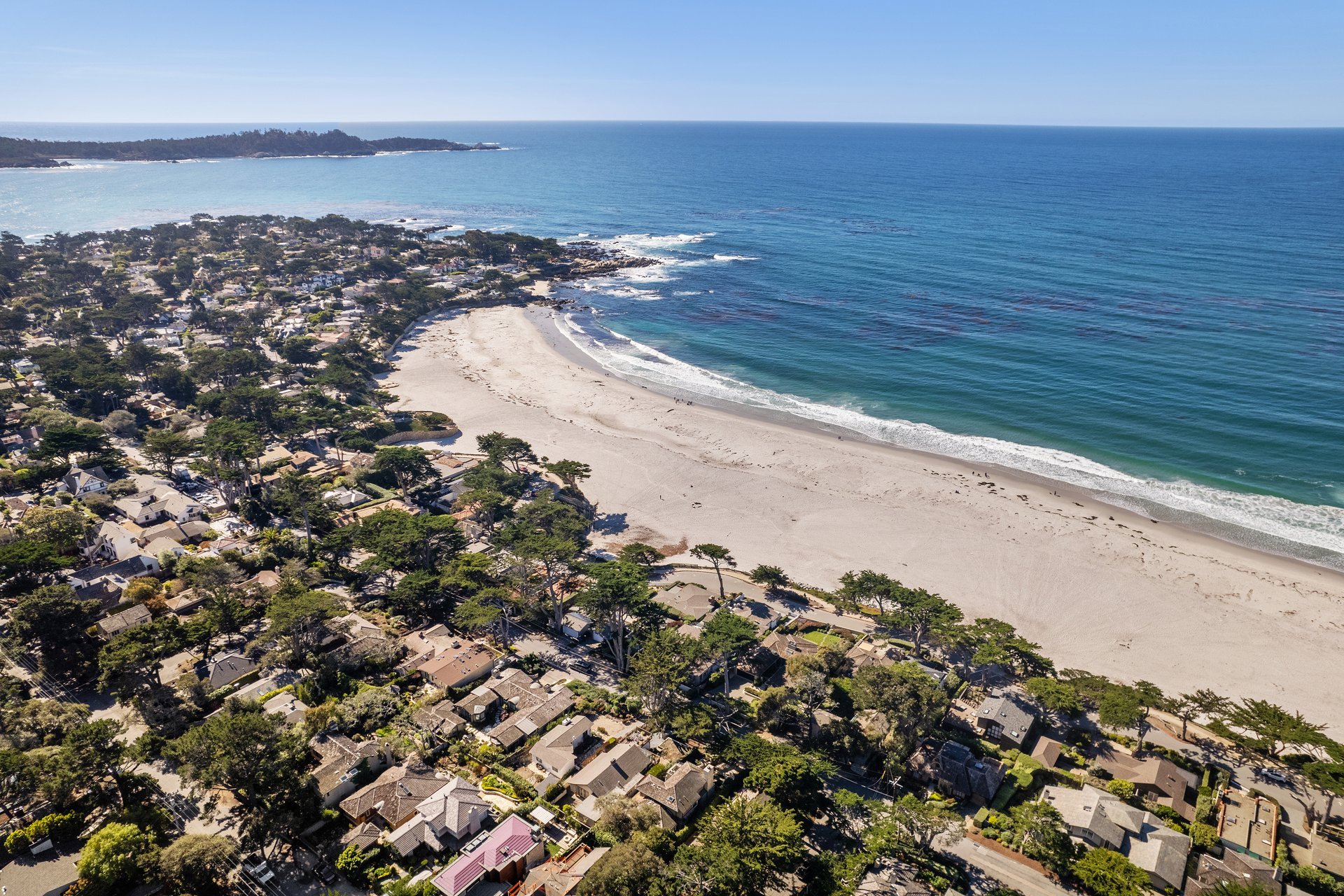
The No-Street-Address System in Carmel-by-the-Sea
Homes in Carmel-by-the-Sea don't have street numbers. Mail goes to a P.O. Box, and homes get identified by a directional description, plus a house name on a sign or gate. This tradition goes back to the town's founding. You can confirm how it works through the City of Carmel-by-the-Sea's official website.
This raises real questions during a purchase. Title companies use the assessor's parcel number and a legal description instead of a mailing address. Lenders ask for the same parcel number and a physical description.
Utilities, Mail, and Insurance in Carmel-by-the-Sea
Buyers need a P.O. Box, since there's no home delivery. Utility and insurance companies set up accounts using the parcel number and directional location. A local real estate agent can walk you through each step.
Design Review, Tree Rules, and Renovation Timelines in Carmel-by-the-Sea
Any exterior change to a home in Carmel-by-the-Sea, such as a new fence or a full remodel, generally goes through the city's Design Review Board. This protects the walkable village charm that draws people here, but it adds time to a renovation plan.
Tree Removal Permits in Carmel-by-the-Sea
Many trees in Carmel-by-the-Sea are protected. Removing or heavily pruning one typically needs a permit, with a review period around six weeks. Fees vary by tree and scope, so ask the city for current numbers.
If you're buying a home in Carmel-by-the-Sea and planning to renovate, build these timelines into your schedule before you close. A local real estate agent can flag design review issues while you're still in escrow.
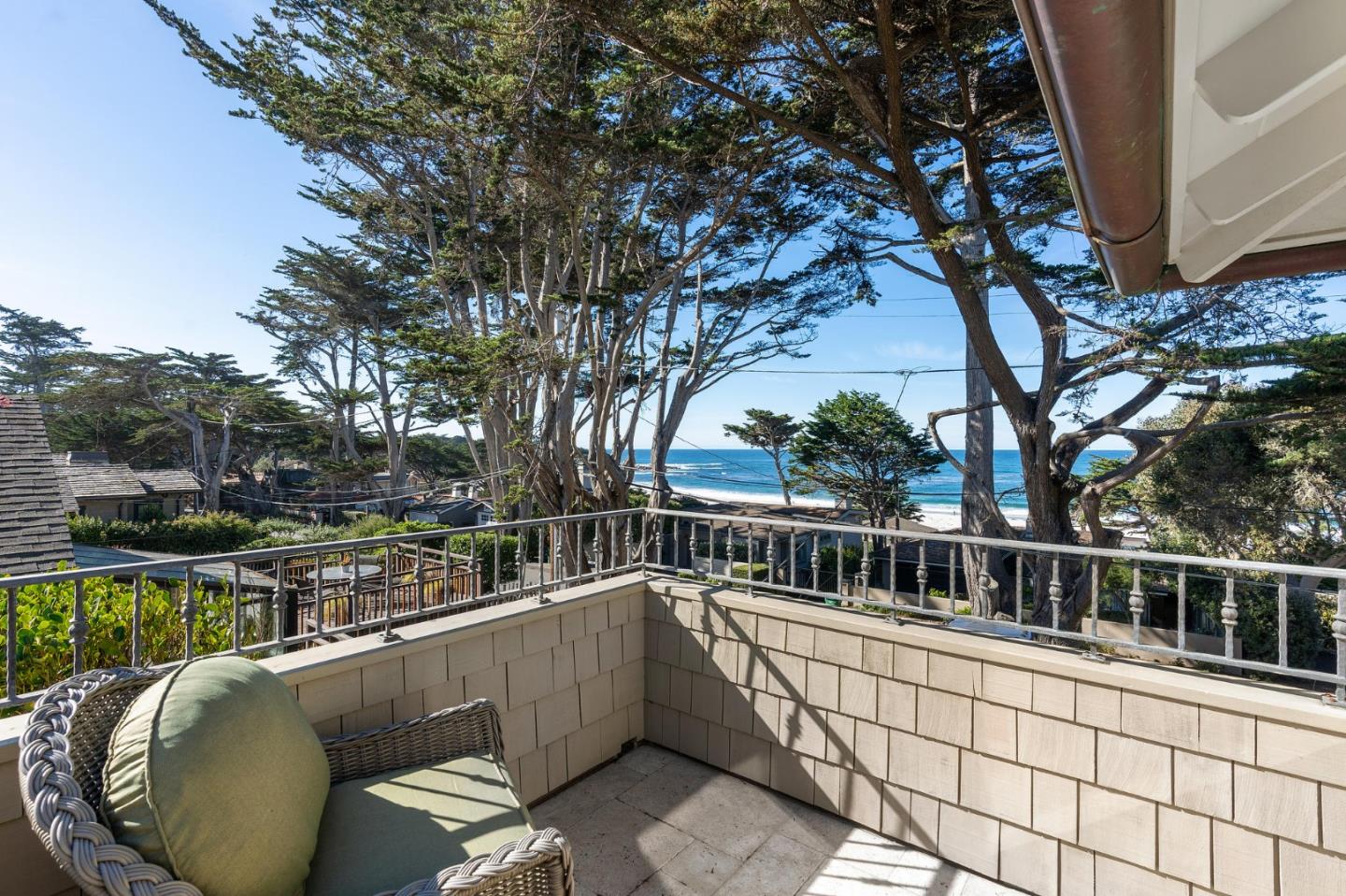
Second Homes and the Real Occupancy Picture in Carmel-by-the-Sea
A large share of homes in Carmel-by-the-Sea serve as second homes or vacation homes. Some streets sit quiet for stretches of the year, then fill up around holidays and summer weekends.
This shapes how full the village feels in January versus July, how tight parking gets near Carmel Beach, and how buyers think about rental potential. The city regulates short-term rentals, so check current rules before counting on that income.
For buyers seeking a second home or vacation home, this pattern is part of the draw: a walkable village and ocean air, with a full-time community that still welcomes part-time neighbors. A local real estate agent can walk you through what owning second homes in Carmel-by-the-Sea actually looks like day to day.
Property Taxes, Prop 13, and Buying a Home in Carmel-by-the-Sea From Out of State
California sets property taxes under Prop 13. Your assessed value locks in at your purchase price, and it can only grow by a maximum of 2% a year after that. The California State Board of Equalization publishes the basics of how this works statewide.
This matters most for buyers moving to Carmel-by-the-Sea from another state. A neighbor who bought decades ago may pay a much lower tax bill on a similar home, simply because their assessed value grew slowly under the 2% cap. Comparing your bill to theirs isn't useful, since your bill reflects what you paid.
Budget for property taxes around 1% to 1.25% of the purchase price each year, before local assessments, and confirm the exact figure with the Monterey County Assessor during escrow. Check the Carmel-by-the-Sea real estate market updates page for current pricing trends as you budget.
Finding a Home in Carmel-by-the-Sea Before It Hits the Open Market
Not every home for sale in Carmel-by-the-Sea reaches Zillow or the open MLS. Compass offers two pre-market tools: Compass Private Exclusives and Compass Coming Soon. Private Exclusives let a seller market a home quietly within the Compass network before it goes public. Coming Soon gives buyers an early preview window. The National Association of Realtors outlines how these off-market arrangements work across the industry.
The tradeoff runs both ways. Buyers get earlier access and less competition than a fresh public listing brings. Sellers sometimes accept less competition in exchange for privacy or a faster sale. Ask about current off-market listings in Carmel-by-the-Sea before you start touring homes.
A Neighborhood Snapshot: Carmel Point, the Golden Rectangle, Northwest Carmel, and Carmel Woods in Carmel-by-the-Sea
Carmel Point homes in Carmel-by-the-Sea sit at the south end of town, close to Carmel Beach. Homes here tend toward larger lots and ocean views, often priced above the town's median home price.
The Golden Rectangle sits just south of Ocean Avenue, an easy walk to restaurants and shops, the most classic version of Carmel-by-the-Sea's storybook cottage character.
Northwest Carmel offers slightly larger lots and more distance from downtown traffic. Carmel Woods, tucked among mature pines, is more residential and wooded.
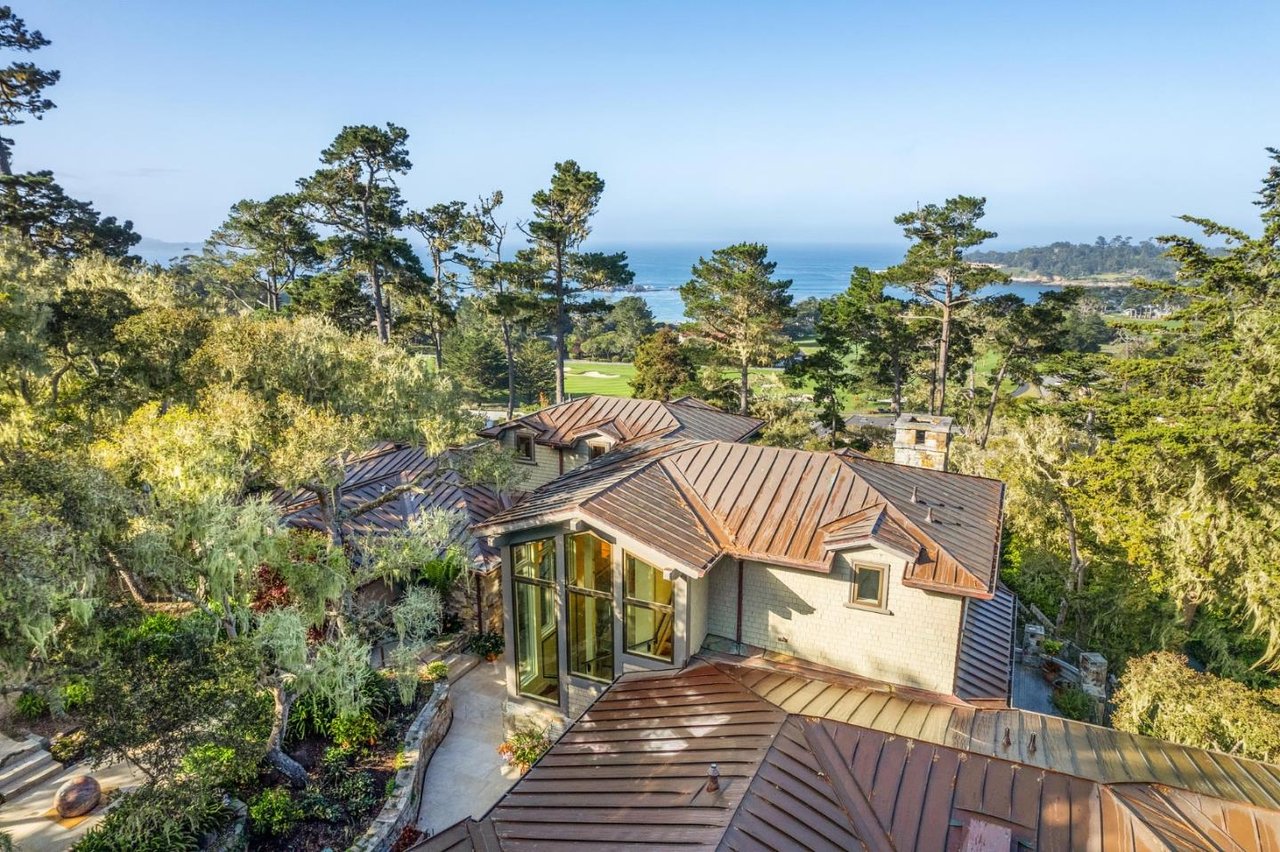
Pebble Beach homes near Carmel-by-the-Sea offer larger estate lots and golf access at a higher price. Carmel Valley properties near Carmel-by-the-Sea, inland and warmer, offer more land per dollar for buyers who want space over village charm.
A Step-by-Step Timeline for Buying a Home in Carmel-by-the-Sea
Buying a home in Carmel-by-the-Sea follows the usual order, with a few local twists.
Start with pre-approval, since well-priced homes move fast here. Next, connect with a local real estate agent based on the Monterey Peninsula, ideally one who tracks off-market activity. Then tour homes and weigh the address system against any renovation plans.
Once you find a home, you'll submit an offer, often with an escrow period of 30 to 45 days. Inspections follow the usual pattern, though a local inspector knows what to check in an older Carmel cottage. Appraisal comes next, using the parcel number and legal description.
Closing Logistics for Non-Standard Addresses in Carmel-by-the-Sea
Closing runs through escrow and title just like anywhere in California, using the parcel-based legal description throughout. Line up your P.O. Box, utility accounts, and homeowners insurance ahead of time. Buyers are often surprised how routine this is once the title company walks them through it.
Frequently Asked Questions About Buying a Home in Carmel-by-the-Sea
Why doesn't Carmel-by-the-Sea have street addresses, and does that cause problems when buying a home? Carmel-by-the-Sea has never assigned street numbers, a tradition from the town's early days. It doesn't stop a purchase in Carmel-by-the-Sea, since title companies and lenders use the parcel number instead.
How do you get a mortgage or title insurance on a house with no street address in Carmel-by-the-Sea? Lenders and title companies working in Carmel-by-the-Sea rely on the parcel number and a legal description. A local real estate agent can point you toward lenders with direct experience in Carmel-by-the-Sea.
Is buying a home in Carmel-by-the-Sea a good investment given how small the town is? Carmel-by-the-Sea's small size limits new supply and has historically supported steady demand, and areas like the Golden Rectangle have held value well over time. Treat a purchase in Carmel-by-the-Sea as a long-term decision, not a quick flip.
What percentage of homes in Carmel-by-the-Sea are second homes or vacation rentals? A large share of Carmel-by-the-Sea's housing stock serves as second homes rather than full-time residences. Some streets in Carmel-by-the-Sea feel quieter in the off season and busier in summer.
Do I need a permit to remove a tree before or after buying a home in Carmel-by-the-Sea? Yes, most tree removal or heavy pruning in Carmel-by-the-Sea requires a permit, with a review period around six weeks. Check a tree's status before you close if a renovation plan depends on removing one.
How does Prop 13 affect property taxes for someone buying in Carmel-by-the-Sea from out of state? Prop 13 locks your assessed value at your purchase price, then caps annual increases at 2%. The Monterey County Assessor can confirm your number once escrow opens.
What is a private exclusive or off-market listing, and how common are they in Carmel-by-the-Sea? A private exclusive is a home marketed quietly within a brokerage network before, or instead of, a public MLS listing. In Carmel-by-the-Sea, tools like Compass Private Exclusives and Compass Coming Soon show up often, given how few homes come up for sale.
How competitive is the Carmel-by-the-Sea real estate market right now? Homes in Carmel-by-the-Sea that are priced well tend to move quickly, since the built-out town rarely adds supply. Buyers who wait for public listings alone in Carmel-by-the-Sea often compete with several offers at once.
What's the difference between buying in Carmel-by-the-Sea versus Carmel Point or Pebble Beach? Carmel Point is a neighborhood within Carmel-by-the-Sea, known for larger lots and proximity to Carmel Beach. Pebble Beach sits just outside Carmel-by-the-Sea and offers larger estate lots at a higher price point.
How long does it typically take to close on a home in Carmel-by-the-Sea? Most purchases in Carmel-by-the-Sea close within 30 to 45 days of an accepted offer, similar to other California markets. The parcel-based address system doesn't usually slow down escrow once lenders have the legal description.
Buying a home in Carmel-by-the-Sea comes with real quirks, including parcel numbers instead of street addresses, design review timelines, and Prop 13 math. Dana Bambace and Mark Peterson grew up on the Monterey Peninsula and have worked with buyers here since 2006, closing more than $750 million in sales across the Monterey Peninsula since 2018 as the top-ranked Compass team in the area every year since. If you're thinking about buying a home in Carmel-by-the-Sea, contact a local Carmel-by-the-Sea real estate agent who knows these streets as a good next step.